
LG Refrigerator Compressor Runs Constantly — Possible Temperature Sensor or Sealed System Issues
An LG refrigerator compressor is designed to cycle on and off as needed to maintain the selected temperature. If the compressor seems to run constantly, the refrigerator may be working harder than it should. Continuous operation can increase energy consumption, contribute to unnecessary wear, and indicate an underlying cooling problem that should be diagnosed before the condition becomes more serious.
There are several possible reasons an LG refrigerator compressor runs constantly. Some causes are relatively simple, such as a dirty condenser area, poor ventilation, or frequent door openings. Others involve components that require professional testing, including the temperature sensor, evaporator fan, control board, compressor, or sealed cooling system.
One of the first things to check is the refrigerator temperature setting. If the temperature has been set too low, the compressor may need to operate for extended periods to reach and maintain the target temperature. A recently loaded refrigerator can also require longer compressor operation, especially if large amounts of warm food have been placed inside.
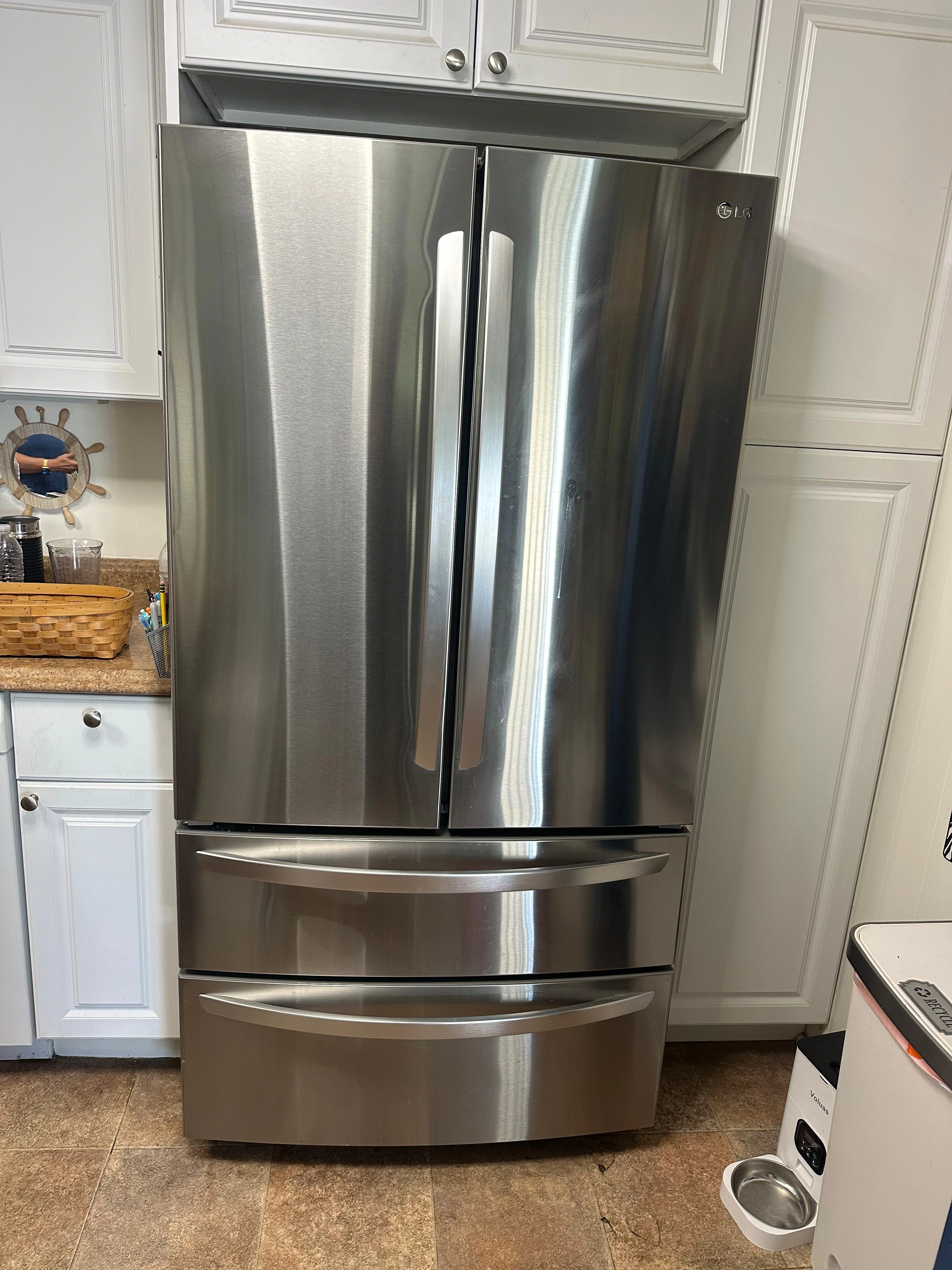
Frequent door openings can have a similar effect. Every time the refrigerator door is opened, warm and humid air enters the cabinet. The cooling system must then remove that additional heat and moisture. In a busy household, this can make the compressor appear to run almost continuously even when the refrigerator is functioning normally. The ambient temperature around the refrigerator also matters. If an LG refrigerator is installed in a hot kitchen, near an oven, or in an area with poor ventilation, the cooling system has to work harder. Insufficient clearance around the appliance can restrict heat dissipation and increase compressor run time.
A dirty condenser area is another common possibility. The condenser is responsible for releasing heat removed from inside the refrigerator. When dust and debris accumulate around the condenser coils or related components, heat cannot escape efficiently. The refrigerator may respond by running the compressor for longer periods in an attempt to maintain the desired temperature. If the basic conditions appear normal but the compressor continues running, the temperature sensor becomes an important component to investigate. The sensor monitors the temperature inside the refrigerator and sends information to the electronic control system. If the sensor provides inaccurate readings, the control system may incorrectly determine that the cabinet is still too warm.
A faulty temperature sensor can therefore cause unusually long cooling cycles. Depending on the specific LG model and the nature of the failure, the refrigerator may become too warm, too cold, or fluctuate between temperatures. Proper diagnosis requires testing the sensor and checking whether its readings correspond to the actual temperature inside the appliance.
A sealed-system problem can develop if there is a refrigerant leak, restriction in the refrigerant circuit, or another issue that prevents the system from transferring heat efficiently. In this situation, the compressor may run for long periods without producing the expected cooling performance. One warning sign is when the compressor operates continuously but the refrigerator or freezer remains warmer than the selected temperature. You may also notice that one compartment is cooling better than the other, frost is appearing in an unusual pattern, or the appliance takes much longer than normal to cool food.
Compressor problems themselves can also cause continuous operation. An aging or mechanically damaged compressor may struggle to circulate refrigerant effectively. Electrical problems involving the compressor or its starting components can create additional symptoms, including unusual noises, repeated starting attempts, or failure to maintain proper temperatures. The electronic control board is another component that can influence compressor operation. It receives information from temperature sensors and other components and determines when the cooling system should operate. If the control board is malfunctioning, it may send incorrect commands to the compressor or fail to respond appropriately to temperature changes. It is worth paying attention to how the refrigerator behaves rather than focusing only on compressor run time. Modern refrigerators can run for extended periods under normal conditions, particularly during hot weather or after a defrost cycle. The more important question is whether the refrigerator is maintaining the correct temperature and whether there are additional symptoms indicating a malfunction.
Before arranging a repair, homeowners can check several basic conditions. Make sure the refrigerator doors close properly and that the door gaskets create a good seal. Check that food packages are not blocking interior air vents. Verify the temperature settings and make sure the appliance has adequate clearance for ventilation. If the condenser area is accessible and the manufacturer's instructions allow cleaning, removing accumulated dust can also help. If these checks do not resolve the problem, professional diagnosis is recommended. A technician can inspect the temperature sensor, fans, electrical components, compressor operation, and sealed system. Specialized testing may be necessary to determine whether the refrigerator has a refrigerant leak or another sealed-system issue.
Ignoring continuous compressor operation is not a good long-term solution. If the refrigerator is unable to reach the correct temperature, food may not remain safely chilled, while prolonged compressor operation can place additional stress on the cooling system. A timely inspection can help identify the actual cause and prevent unnecessary replacement of components. If your LG refrigerator compressor runs constantly and the appliance is not maintaining the correct temperature, professional appliance repair can determine whether the problem involves the temperature sensor, airflow, compressor, control system, or sealed system. Contact a qualified LG refrigerator repair technician to inspect the appliance, identify the faulty component, and recommend the appropriate repair.