
LG Refrigerator Does Not Maintain the Set Temperature: Possible Faulty Temperature Sensor, Air Damper, Fan, or Control Board
When an LG refrigerator fails to maintain the set temperature, the problem usually develops gradually. At first, the appliance may seem to work normally, but over time food begins to spoil faster, drinks are not properly chilled, and the freezer may also lose stability. This behavior indicates that the cooling system is no longer responding correctly to temperature regulation commands or that cold air is not being distributed efficiently inside the compartments.
Modern LG refrigerators rely on a coordinated system of sensors, airflow control, fans, and electronic regulation. The temperature setting on the display is only a target value. To achieve and maintain it, the refrigerator must constantly measure internal conditions and adjust cooling output in real time. When any part of this chain fails, temperature stability is lost.
One of the most common causes is a faulty temperature sensor. These sensors continuously monitor the internal environment and send data to the control board. If a sensor becomes inaccurate or stops responding, the system may misinterpret the actual temperature. As a result, the compressor may run too long or not long enough, leading to unstable cooling performance. In some cases, the refrigerator may think the temperature is already correct even when the interior is actually too warm.
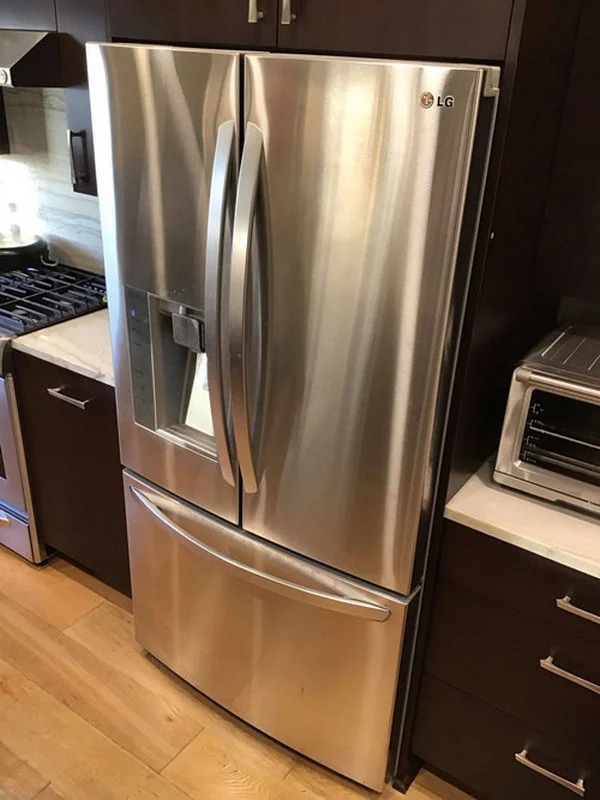
The evaporator fan also plays a key role in temperature stability. It is responsible for circulating cold air evenly throughout the appliance. If the fan motor weakens, becomes blocked by ice, or fails completely, cold air cannot spread properly. In this situation, the compressor may still operate, but cooling becomes inconsistent. Users often notice that one shelf is colder than another or that temperature fluctuates throughout the day.
The problem can also originate from the electronic control board. This component coordinates the entire cooling process, including compressor operation, fan speed, and damper movement. If the control board malfunctions, it may send incorrect signals or fail to respond to sensor data properly. As a result, the refrigerator loses its ability to regulate temperature accurately even if all mechanical components are still functioning.
In some cases, external factors also contribute to unstable temperature performance. Frequent door openings, overloading the compartments with warm food, or blocking air vents inside the refrigerator can interfere with normal airflow. However, these situations usually cause temporary fluctuations rather than a persistent inability to maintain the set temperature.
Another possible factor is the early stage of a cooling system problem. A refrigerant leak, partial blockage in the system, or declining compressor efficiency may not stop the refrigerator from working immediately, but it reduces overall cooling capacity. The appliance then struggles to reach or maintain the selected temperature, especially during warmer ambient conditions or periods of heavy use.
Typical signs of this issue include inconsistent cooling, frequent temperature fluctuations, longer compressor cycles, or noticeable differences between the set and actual internal temperature. In some cases, the display shows the correct value, but stored food does not reflect those conditions. This disconnect between settings and real performance is a key indicator of internal system malfunction.
Diagnosing the exact cause requires proper testing of multiple components. Temperature sensors must be checked for correct resistance values, the evaporator fan must be inspected for proper operation, and the air damper must respond correctly to control signals. The control board also needs evaluation to ensure it processes data accurately and communicates with all connected parts.
Attempting repairs without proper tools and technical knowledge can lead to misdiagnosis. Replacing a sensor or fan without confirming the root cause often does not resolve the issue and may delay proper repair. In more complex cases, multiple components may be contributing to the problem at the same time.
Preventive maintenance helps reduce the risk of temperature instability. Keeping air vents clear, avoiding overloading the refrigerator, maintaining proper door sealing, and ensuring adequate airflow around the appliance all support stable operation. Regular inspection of internal airflow paths also helps prevent blockages that could affect cooling distribution.
If your LG refrigerator cannot maintain the set temperature, professional diagnosis is the most reliable solution. A qualified technician can test the temperature sensors, inspect the air damper and evaporator fan, evaluate the control board, and check overall cooling system performance. Accurate identification of the faulty component ensures effective repair and restores stable temperature control, protecting food quality and improving energy efficiency.