
LG Refrigerator Door Is Not Sealing Properly — Possible Door Gasket or Hinge Problems
An LG refrigerator door that does not seal properly can cause several problems inside the appliance. Warm air enters through the gap, cold air escapes, and the refrigerator may run longer than normal to maintain the selected temperature. Over time, this can increase energy consumption, create excess frost, cause condensation, and put additional stress on the compressor. A poor door seal does not always indicate a major refrigeration system failure. In many cases, the problem is related to the door gasket, hinges, alignment, or an obstruction preventing the door from closing completely. Identifying the cause early can help prevent more expensive repairs.
The most obvious symptom is a visible gap between the gasket and the refrigerator cabinet when the door is closed. However, several other signs can indicate a sealing problem. You may notice that food is not staying as cold as expected, the refrigerator runs almost continuously, or the interior walls develop unusual condensation. Frost or ice may also appear around the door opening or inside the freezer compartment. Another common sign is that the door feels loose, drops slightly when opened, or does not close by itself as it normally should. If you hear the compressor or fans operating for extended periods, the refrigerator may be compensating for warm air entering through the damaged seal.
The door gasket is the flexible rubber seal installed around the perimeter of the refrigerator or freezer door. Its purpose is to create an airtight barrier when the door closes. With age, the gasket can become brittle, cracked, torn, flattened, or permanently deformed. Frequent exposure to cold temperatures and repeated opening and closing can gradually reduce its ability to maintain contact with the cabinet. A gasket can also become twisted or partially detached from its mounting channel. Sometimes the seal appears intact but has developed a flattened section that prevents proper contact. Cleaning the gasket and the mating surface can resolve minor sealing issues caused by dirt or food residue. If the rubber is visibly damaged or has lost its flexibility, replacement is usually the appropriate repair.
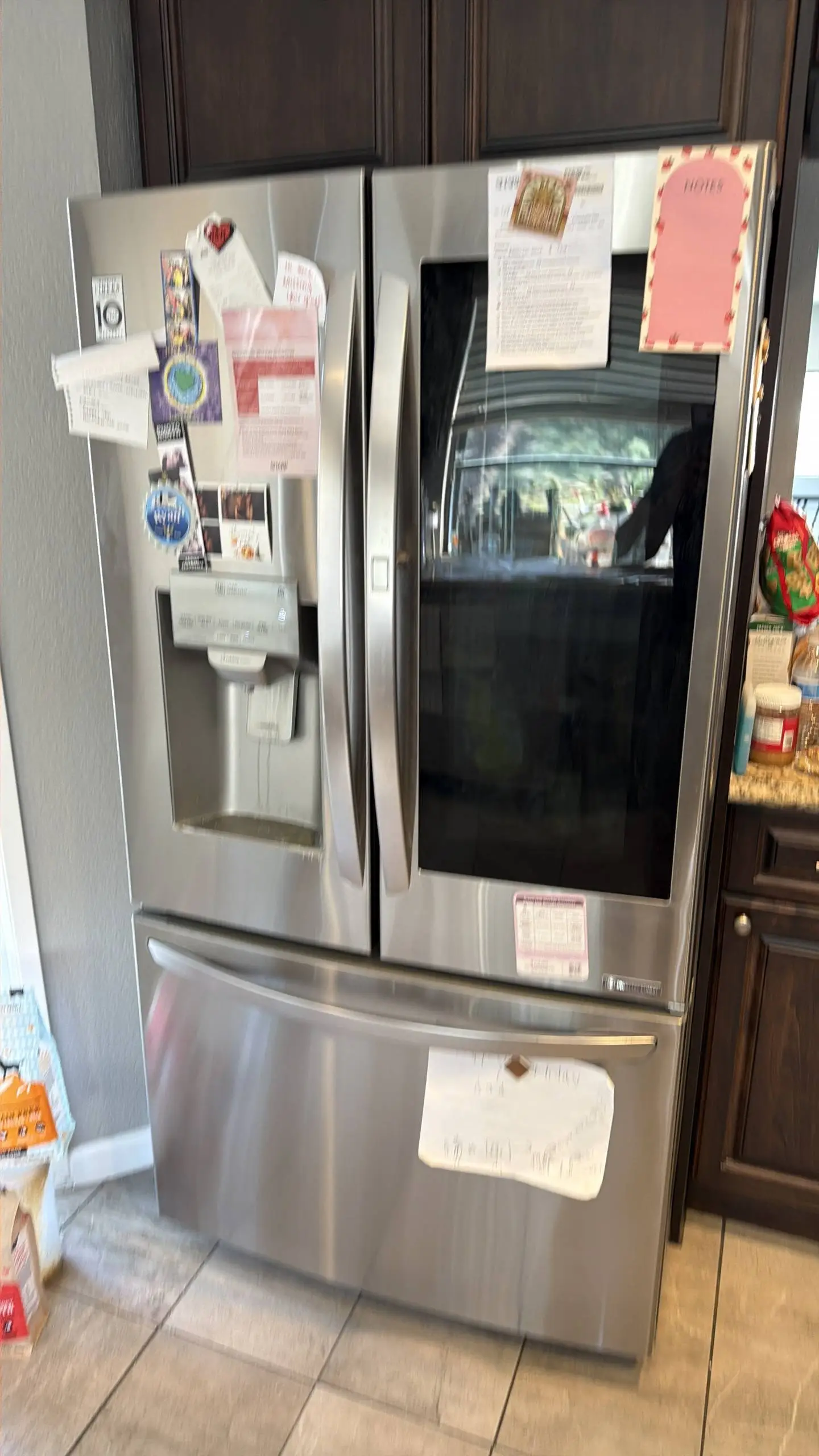
A refrigerator door can also fail to seal because of a hinge problem rather than the gasket itself. Hinges support the weight of the door and maintain its correct position as it opens and closes. A loose hinge, worn hinge component, or damaged mounting point can cause the door to sag. Even a small change in alignment can create a gap along one side of the gasket. The lower portion of the door may appear farther from the cabinet than the upper portion, or the door may rub against another component when closing. In these cases, simply replacing the gasket may not solve the problem because the door is still positioned incorrectly. A technician can inspect the hinges, mounting hardware, and door alignment to determine whether adjustment or component replacement is necessary.
Before assuming that a mechanical component has failed, check whether something inside the refrigerator is preventing the door from closing completely. Large containers, overloaded shelves, drawers that are not fully pushed in, or improperly positioned food packages can interfere with the door. Ice buildup around the freezer compartment can create a similar problem. Remove anything that appears to interfere with the door and close it again. Pay attention to whether the gasket makes consistent contact around the entire perimeter. If the door closes normally after removing an obstruction, the refrigerator may not require a mechanical repair. However, repeated overloading can eventually deform the gasket or affect door alignment.
An LG refrigerator that is not properly leveled can also develop door-closing problems. The appliance cabinet needs to sit correctly on its leveling feet so the doors remain properly aligned. If the refrigerator has been moved recently, installed on an uneven floor, or adjusted incorrectly, the door may sit too high or too low. This can prevent the gasket from sealing evenly. Check whether the refrigerator is stable and whether the door appears properly aligned with the cabinet. Some LG models allow adjustments to the door position, but the exact procedure varies by model.
A damaged door seal allows warm, humid room air to enter the refrigerator.
The appliance then has to remove additional heat and moisture to maintain the desired temperature. This can lead to longer compressor run times and increased energy consumption. In the freezer, moisture entering through the gap can freeze and create frost buildup. Excessive frost can eventually interfere with airflow and fan operation. If the refrigerator continues operating under these conditions, components such as the compressor, evaporator fan, and other cooling system parts may experience additional workload. If cleaning and checking for simple obstructions do not resolve the problem, professional inspection is recommended. A technician can determine whether the gasket, hinges, door alignment, leveling, or another component is responsible. It is especially important to schedule service if the refrigerator is no longer maintaining the correct temperature, frost is accumulating rapidly, or the compressor appears to run almost constantly. Replacing a door gasket is generally more straightforward than repairing a hinge or correcting a structural alignment issue, so accurate diagnosis matters. Installing a new gasket without addressing a sagging or misaligned door may leave the original problem unresolved.
An LG refrigerator door that does not seal properly should be addressed promptly. A damaged gasket, loose or worn hinge, poor leveling, or an obstruction can allow warm air into the cabinet and reduce cooling efficiency. Start by inspecting the gasket, cleaning the sealing surfaces, checking for objects blocking the door, and looking for obvious alignment problems. If the door still fails to close tightly, professional appliance service can identify the underlying issue and restore proper operation before the problem affects the refrigerator's cooling system. For reliable diagnosis and repair of LG refrigerator door sealing problems, contact a qualified appliance repair technician and have the gasket, hinges, alignment, and related components inspected.