
LG Refrigerator Has Excessive Condensation Inside — Possible Door Seal or Temperature Control Problems
Excessive condensation inside an LG refrigerator can create several frustrating problems, including wet shelves, water droplets on interior walls, damp food packaging, and moisture collecting inside storage drawers. While small amounts of condensation may occasionally appear during humid weather or after frequent door openings, persistent moisture buildup can indicate that the refrigerator is not maintaining proper internal conditions. A damaged door gasket, faulty temperature sensor, incorrect cooling settings, or restricted airflow may allow excessive humidity to develop inside the appliance. Understanding these potential causes is important because ongoing condensation can affect food storage, encourage unpleasant odors, and place additional demands on the refrigerator's cooling system.
Condensation forms when warm, humid air comes into contact with colder surfaces inside the refrigerator. Under normal operating conditions, the appliance maintains a controlled temperature while its door seals limit the amount of outside air entering the compartment. However, when the refrigerator door does not close tightly, warm air can continuously enter and release moisture as it cools. This process becomes particularly noticeable when the surrounding kitchen is warm or humid. You may find water droplets on glass shelves, moisture around vegetable drawers, or damp patches along the interior walls. If the condensation returns shortly after being wiped away, it is worth checking whether the refrigerator has a sealing or temperature regulation problem.
A damaged or worn refrigerator door seal is one of the most common reasons for excessive condensation. The rubber gasket surrounding the door creates a tight barrier that prevents warm room air from entering the refrigerated compartment. Over time, the gasket can become cracked, deformed, loose, or covered with food residue, preventing it from making proper contact with the refrigerator cabinet. Even a small opening can allow humid air to enter repeatedly, resulting in moisture accumulation and longer cooling cycles. Homeowners should inspect the gasket for visible damage, clean away dirt, and make sure food containers or shelves are not preventing the door from closing. If the rubber seal no longer fits securely, replacing the refrigerator door gasket may be necessary to restore proper sealing.
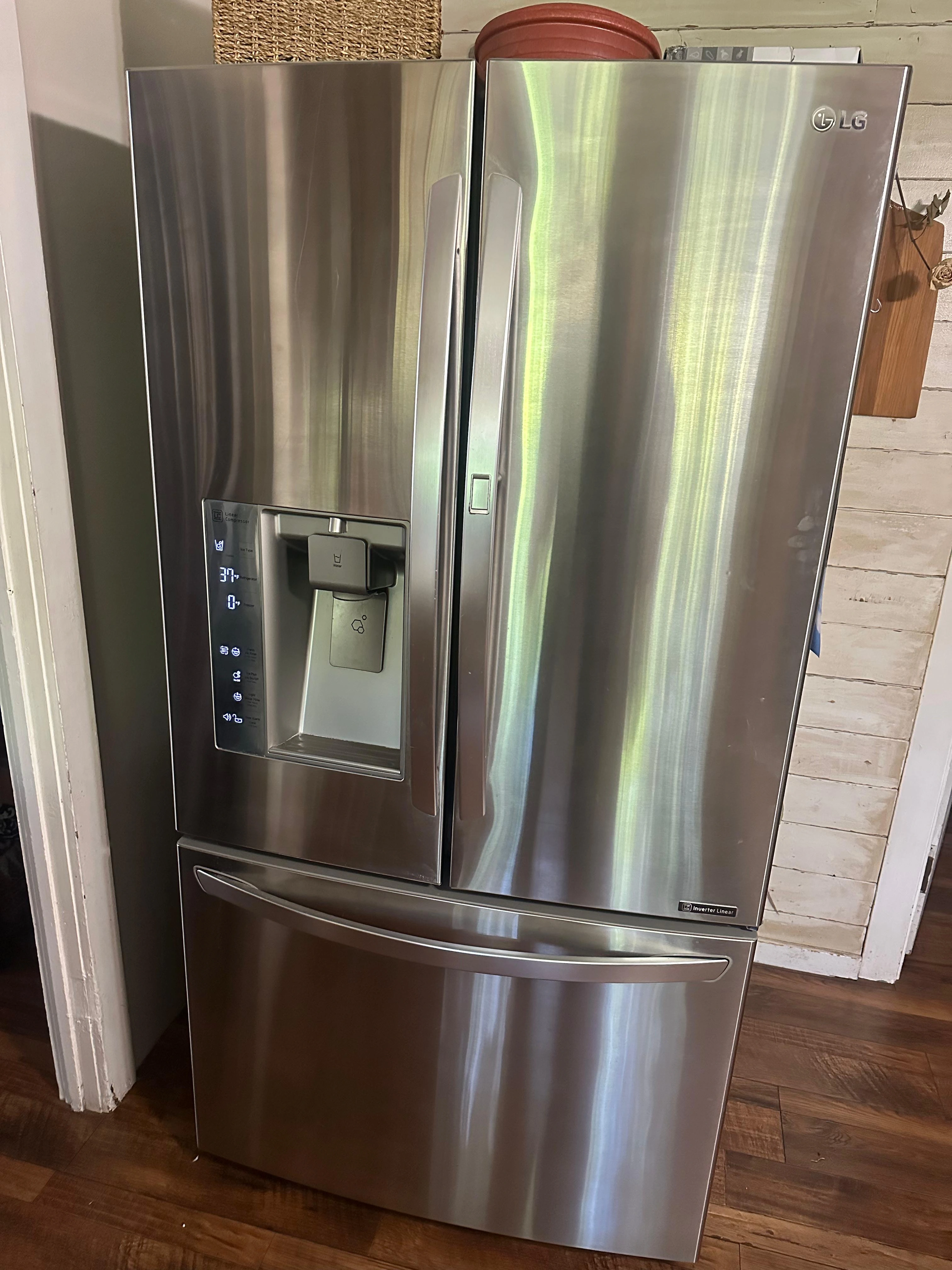
Temperature control problems can also contribute to persistent moisture inside an LG refrigerator. Many models use electronic temperature sensors, commonly called thermistors, to monitor compartment conditions and communicate with the main control board. If a sensor becomes defective or provides inaccurate readings, the refrigerator may struggle to maintain consistent temperatures. This can result in uneven cooling, unexpected temperature fluctuations, or food becoming unusually cold or warm. Incorrect temperature settings may also affect internal conditions, especially when the appliance is frequently opened or heavily loaded. LG generally recommends setting the refrigerator around 37°F and the freezer around 0°F, although the appropriate settings should always be confirmed using the instructions for the specific model.
Restricted airflow is another possible reason condensation develops inside a refrigerator. Cold air must circulate throughout the compartment to maintain relatively even temperatures across shelves and storage areas. When large food containers, oversized packages, or tightly packed groceries block ventilation openings, certain sections may become warmer than others. This uneven temperature distribution can contribute to moisture accumulation, particularly when humid air enters during normal use. Rearranging food items and keeping air vents unobstructed may improve circulation and reduce condensation. If airflow remains weak despite these adjustments, the evaporator fan or another component responsible for circulating cold air may require professional inspection.
Persistent moisture should not be ignored when it appears together with other changes in refrigerator performance. Warning signs include repeated water accumulation, excessive frost, unusual compressor operation, inconsistent cooling, and dampness that returns soon after cleaning. Homeowners can begin by checking whether the doors close securely, cleaning the gaskets, adjusting temperature settings, and ensuring that stored items do not block internal ventilation. However, if condensation continues despite these basic checks, professional refrigerator diagnostics may be necessary. A qualified appliance repair technician can inspect the door seals, temperature sensors, evaporator fan, defrost drainage system, and electronic controls to determine what is causing the moisture problem.
If your LG refrigerator continues developing excessive condensation, professional repair can help restore proper cooling conditions and protect stored food. Service Center provides refrigerator diagnostic and repair services for problems involving door gasket damage, temperature control failures, restricted airflow, and internal moisture buildup. Identifying the cause early can help prevent recurring condensation and unnecessary strain on refrigeration components. Contact Service Center today to schedule LG refrigerator inspection and repair and restore reliable performance to your kitchen appliance.