
LG Refrigerator Freezer Is Cold but Fresh Food Section Is Warm — Possible Air Damper or Evaporator Fan Problems
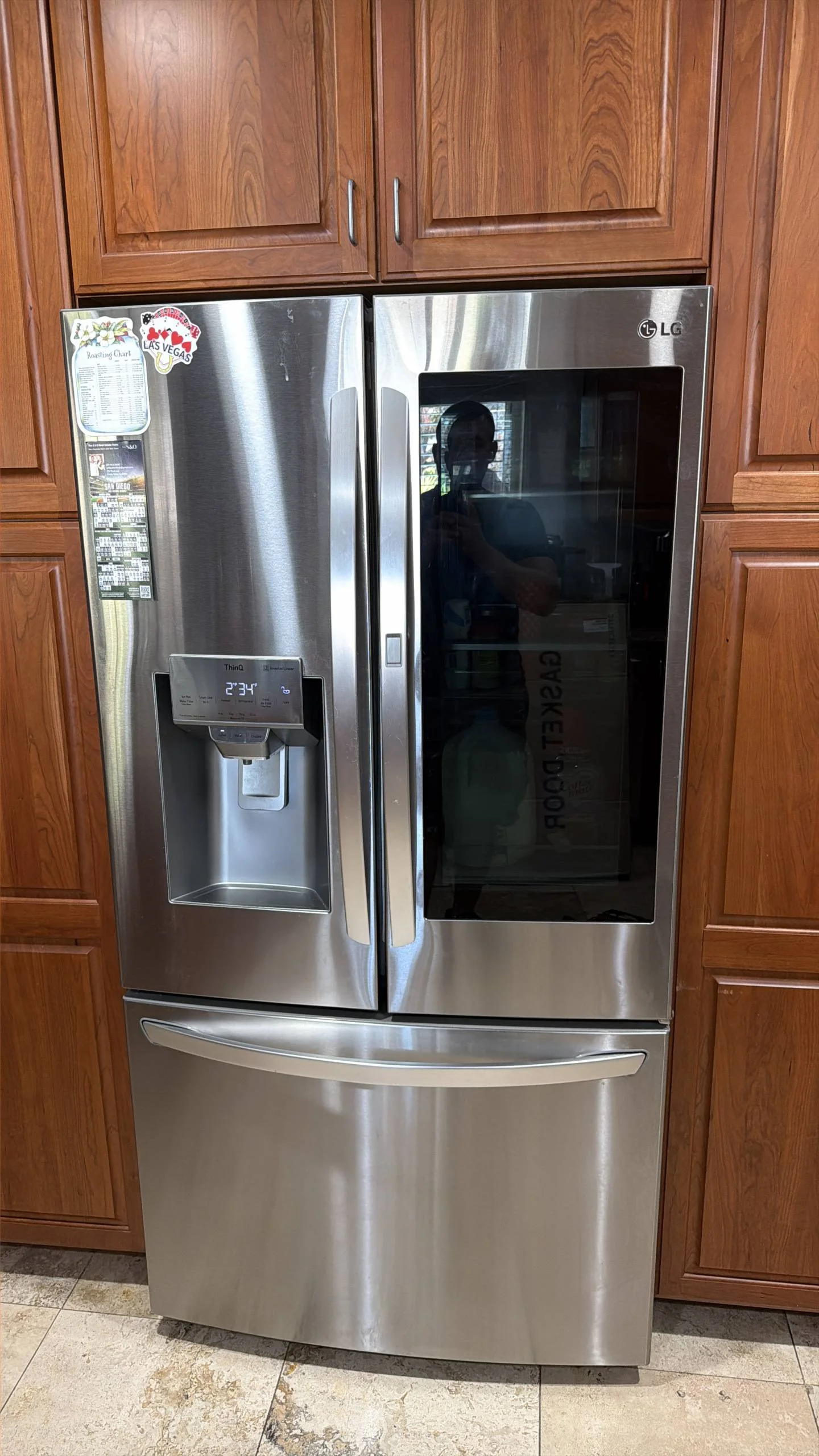
When an LG refrigerator freezer is cold but the fresh food section is warm, it usually indicates that the appliance is still producing cold air but is no longer distributing it properly to the refrigerator compartment. This is one of the most common cooling problems in LG refrigerators equipped with a No Frost system. At first, the freezer continues preserving frozen food without difficulty, leading many homeowners to believe the refrigerator is working normally. However, the temperature inside the fresh food section gradually rises, beverages lose their chill, dairy products spoil prematurely, and vegetables begin to wilt. In most cases, the problem is caused by a faulty air damper, a failed evaporator fan, or another component affecting airflow between the two compartments.
Most modern LG refrigerators use a single evaporator located behind the rear panel of the freezer compartment. This evaporator generates cold air for both the freezer and refrigerator sections. An evaporator fan circulates the cold air through internal air ducts, while an electronically controlled air damper regulates how much cold air enters the fresh food compartment. If either of these components stops functioning correctly, the freezer can remain at the proper temperature while the refrigerator section becomes noticeably warmer.
One of the most common causes is a failed evaporator fan motor. The evaporator fan is responsible for continuously moving cold air across the evaporator coils and distributing it throughout the refrigerator. If the motor burns out, the fan blades become obstructed by ice, or the control board fails to supply power, airflow to the refrigerator compartment is greatly reduced or stops completely. Because the evaporator itself continues producing cold temperatures inside the freezer, frozen food remains solid while the fresh food compartment gradually loses its cooling ability.
In some cases, frost accumulation around the evaporator fan may also prevent proper operation. A malfunction within the automatic defrost system can cause excessive ice to build up on the evaporator coils and around the fan assembly. As the ice thickens, the fan blades may become partially blocked or stop rotating altogether. Homeowners sometimes notice scraping, buzzing, or clicking noises as the blades strike accumulated frost before the airflow eventually stops entirely.
A defective air damper is another frequent cause of this problem. The air damper controls the amount of cold air flowing from the freezer into the refrigerator compartment. Depending on cooling demand, the control board automatically opens or closes the damper to maintain the selected temperature. If the damper becomes stuck in the closed position due to mechanical wear, a failed actuator motor, or an electrical malfunction, very little cold air reaches the fresh food section. As a result, the freezer continues operating normally while the refrigerator compartment steadily becomes warmer.
Temperature sensor problems can produce similar symptoms. Several thermistors monitor temperatures throughout the refrigerator and provide continuous information to the electronic control board. If the refrigerator compartment sensor sends inaccurate readings, the control board may incorrectly determine that sufficient cooling has already been achieved and fail to open the air damper or activate the evaporator fan when necessary. This can result in inconsistent temperatures even though the refrigeration system itself remains fully operational.
The electronic control board may also contribute to airflow problems. Because the control board manages fan operation, damper position, compressor cycling, and temperature regulation, an internal electrical failure can interrupt communication with these components. In some cases, homeowners may notice inconsistent cooling, intermittent fan operation, or diagnostic error codes appearing on the display in addition to the warm refrigerator compartment.
Blocked air vents inside the refrigerator should also be considered. Large food containers, overfilled shelves, or improperly stored groceries can restrict airflow coming from the refrigerator vents.
Although this usually does not cause complete loss of cooling, it may reduce air circulation enough to create warm areas inside the fresh food compartment. Maintaining clear space around the air vents allows cold air to circulate evenly throughout the refrigerator. Many homeowners attempt to solve the issue by unplugging the refrigerator and allowing it to thaw completely. If cooling returns temporarily after a full defrost but the refrigerator compartment becomes warm again within several days, the automatic defrost system is likely malfunctioning. Manual defrosting removes accumulated ice from the evaporator and fan assembly, but it does not repair the failed heater, defrost thermostat, sensor, or control board responsible for the recurring frost buildup.
Several warning signs often accompany this cooling problem. These include a freezer maintaining normal temperatures while the refrigerator compartment remains above the recommended range, food spoiling quickly, weak airflow from refrigerator vents, unusual fan noises, excessive frost behind the freezer panel, longer compressor run times, or error codes displayed on the control panel. As airflow continues to decrease, overall refrigerator performance gradually deteriorates.
Diagnosing airflow problems requires inspection of multiple interconnected components. Professional technicians examine the evaporator fan motor, test the air damper operation, verify sensor resistance, inspect the evaporator for frost buildup, evaluate the defrost system, and test the electronic control board using specialized diagnostic equipment. Because several different failures can produce nearly identical symptoms, replacing parts without proper testing often results in unnecessary expenses and repeated repairs.
To help prevent airflow-related cooling problems, avoid overloading the refrigerator with food, keep interior air vents unobstructed, inspect the door gaskets regularly to prevent warm air from entering, minimize the amount of time the doors remain open, and schedule maintenance if cooling performance begins to change. Proper airflow is essential for maintaining stable temperatures throughout both compartments.
If your LG refrigerator freezer is cold but the fresh food section is warm, the issue should be addressed promptly. A faulty air damper, failed evaporator fan, temperature sensor malfunction, or automatic defrost system failure can all prevent cold air from reaching the refrigerator compartment. Professional diagnosis can accurately identify the source of the problem and restore proper airflow before food spoilage, increased energy consumption, or more extensive component damage occurs. Prompt repairs help ensure reliable cooling performance and extend the lifespan of your LG refrigerator.