
LG Refrigerator Freezer Is Cold but the Refrigerator Section Is Warm — Possible Evaporator Fan or Air Damper Problems
When the freezer in an LG refrigerator is cold but the refrigerator compartment is noticeably warm, the cooling system may be operating while cold air is failing to reach the fresh-food section. This type of problem is often connected to restricted airflow, an evaporator fan issue, or a malfunctioning air damper. The freezer is normally the starting point for producing cold air. The evaporator removes heat from the air, and a fan circulates that chilled air through the freezer and refrigerator compartments. If the airflow between these areas is interrupted, the freezer may remain at the correct temperature while food in the refrigerator section becomes too warm.
A faulty evaporator fan is one possible cause. The fan is responsible for moving cold air away from the evaporator and through the refrigerator's air channels. If its motor becomes weak, stops working, or operates intermittently, the freezer can continue cooling while the refrigerator compartment receives very little cold air. You may hear unusual sounds if the fan is beginning to fail. A worn fan motor can produce buzzing, clicking, or scraping noises. In some cases, the fan may work for a short period and then stop, creating inconsistent temperatures throughout the appliance. Ice buildup around the evaporator can create similar symptoms. When frost blocks the evaporator or surrounding air passages, the fan cannot circulate air efficiently. This can happen when the automatic defrost system has a problem involving the defrost heater, thermostat, temperature sensor, or control board.
The air damper is another component worth checking. The damper regulates how much cold air moves from the freezer into the refrigerator compartment. If it becomes stuck closed, blocked by ice, or fails mechanically, the refrigerator section may remain warm even though the freezer continues to operate normally. In some LG models, the damper is controlled electronically. A problem with the damper motor, sensor, wiring, or control system can prevent it from opening when additional cold air is required. Testing the component is usually necessary to determine whether the damper itself has failed or is simply not receiving the correct signal. Blocked air vents inside the refrigerator can also restrict circulation. Food containers should not be placed directly against the vents because they can interfere with the movement of cold air. If the refrigerator is heavily packed, temperature differences between areas of the compartment can become more noticeable.
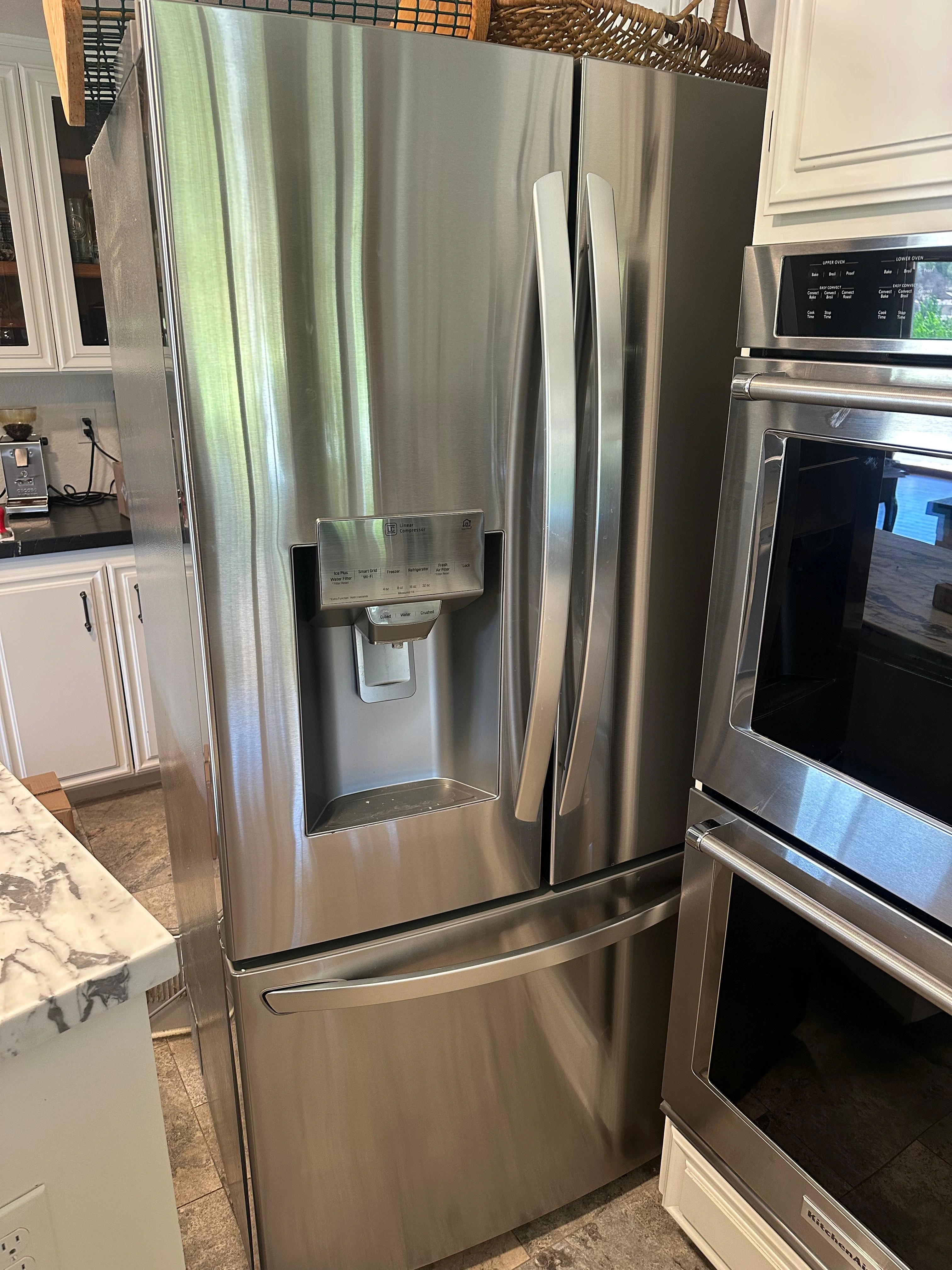
The refrigerator temperature setting should also be checked. If the control has been accidentally adjusted to a warmer setting, the compartment may not cool as expected. However, when the freezer is properly cold and the refrigerator remains warm, an airflow problem is often more relevant than the temperature setting itself.Door sealing can contribute to temperature problems as well. A damaged or poorly positioned gasket allows warm air to enter continuously. Increased humidity can lead to condensation and frost, which may eventually interfere with airflow. Inspect the gasket around the refrigerator door and make sure it closes firmly along the entire perimeter.Another useful observation is whether the refrigerator compartment becomes colder after the doors have remained closed for several hours. If the temperature improves temporarily and then rises again, intermittent fan operation, frost accumulation, or a damper problem may be involved.
Homeowners can begin with a few simple checks. Make sure the temperature controls are set correctly, keep food away from air vents, check that the refrigerator door closes completely, and inspect the interior for unusual frost buildup. These steps can help identify obvious airflow restrictions. Avoid attempting to remove heavy ice with sharp tools. Internal evaporator components and refrigerant lines can be damaged easily, turning a relatively simple repair into a much more serious problem. If the freezer remains cold but the refrigerator section continues to stay warm, professional diagnosis can determine where the airflow is being interrupted. A technician can inspect the evaporator fan, air damper, defrost system, temperature sensors, vents, and control components.