
LG Refrigerator Fresh Food Section Is Too Cold — Possible Thermistor or Air Damper Failure
If your LG refrigerator's fresh food section is too cold, you may notice that vegetables freeze in their drawers, milk develops ice crystals, or drinks become colder than expected even when the temperature setting appears correct. This problem can affect food quality and indicate that the refrigerator is struggling to regulate its internal temperature. Two possible causes are a faulty thermistor or a malfunctioning air damper, although other components may also contribute to excessive cooling. The fresh food compartment is designed to maintain a temperature suitable for storing perishable items without freezing them. To achieve this, the refrigerator monitors internal temperatures and regulates the movement of cold air from the freezer. When a sensor provides inaccurate readings or the airflow control mechanism fails, the compartment may receive too much cold air and fall below its intended temperature range.
A thermistor is a temperature-sensitive component that helps the refrigerator monitor conditions inside its compartments. The electronic control system uses the thermistor's readings to determine when cooling is needed and how the appliance should operate. Depending on the LG refrigerator model, multiple sensors may monitor different areas of the appliance. If the fresh food thermistor becomes defective, it may send incorrect temperature information to the control board. For example, the sensor might report that the compartment is warmer than it actually is. The control system may then continue requesting cooling, causing temperatures to drop excessively. Food near air outlets or in areas exposed to concentrated cold airflow may freeze first.
A faulty thermistor does not always produce obvious warning signs beyond temperature fluctuations. You may notice that some foods freeze while others remain at normal temperatures. The refrigerator may also appear to run longer than usual or struggle to maintain a consistent temperature throughout the fresh food section. Diagnosing a thermistor problem requires more than checking the temperature display. A technician can inspect the sensor and wiring, measure the sensor's resistance under appropriate conditions, and compare the readings with the manufacturer's specifications. If the sensor is defective, replacing it may restore accurate temperature monitoring.
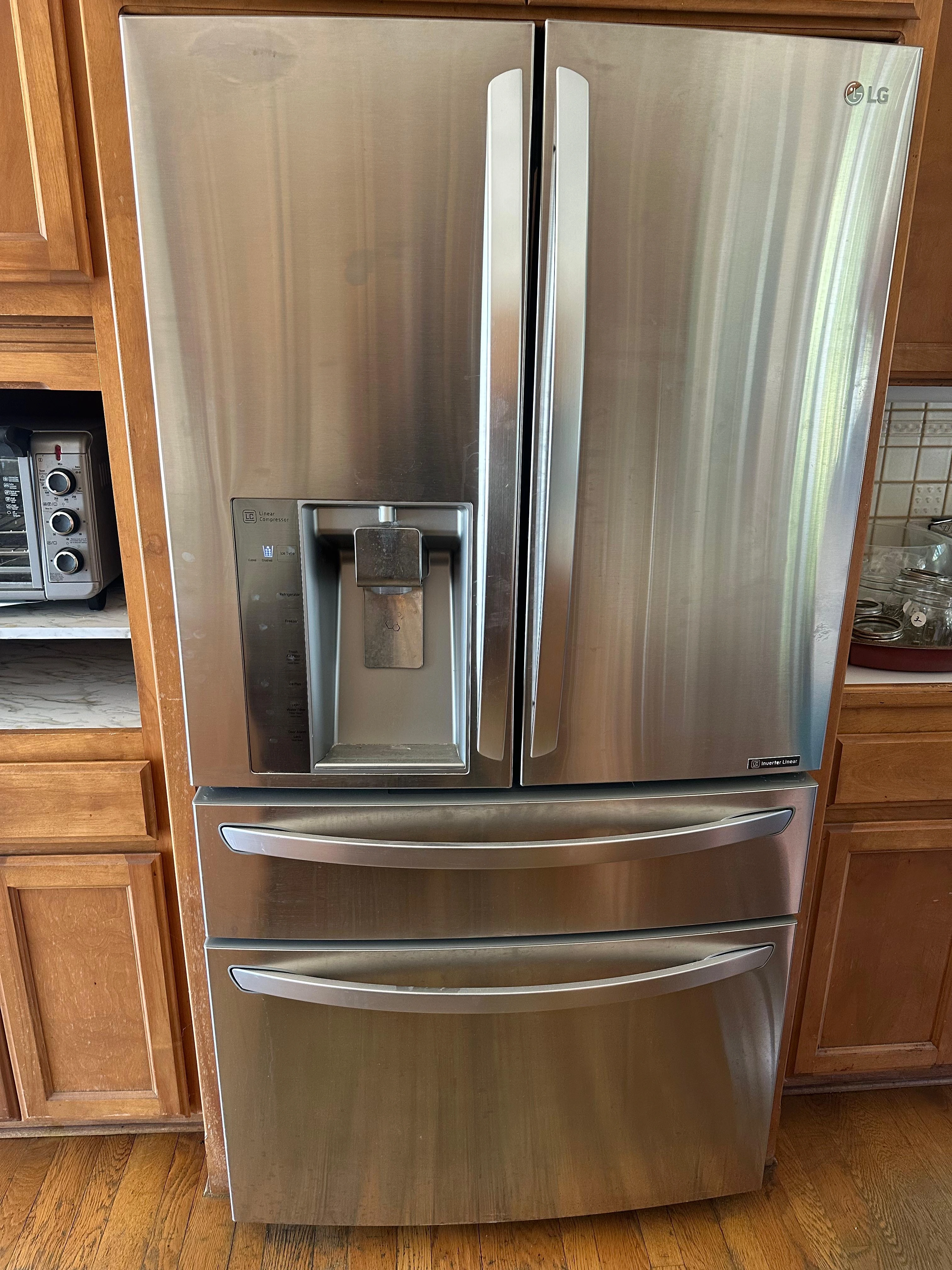
Another possible cause is a malfunctioning air damper. The damper regulates how much cold air moves from the freezer into the fresh food compartment. Depending on the refrigerator's design, the damper may open and close in response to temperature demands communicated by the control system. When the damper becomes stuck in the open position, too much cold air can enter the refrigerator compartment. Even if the thermistor accurately detects the temperature, the appliance may be unable to reduce airflow sufficiently. As a result, food stored near the air vents may freeze, and the compartment may become colder than the selected setting.
A damaged damper motor, broken internal mechanism, or obstruction can prevent the component from closing correctly. In some cases, ice accumulation around the damper assembly can interfere with movement. The exact cause depends on the refrigerator model and the condition of its airflow system. A technician can inspect the damper assembly, verify whether it moves correctly, and determine whether its motor or mechanism requires replacement. Replacing the thermistor alone will not resolve the problem if the actual cause is a damper that remains open.
The electronic control board should also be considered when both temperature monitoring and airflow appear abnormal. The board processes sensor information and coordinates cooling operations. If it develops a fault, the refrigerator may receive incorrect control signals or fail to regulate airflow as intended. However, control board replacement should generally follow testing of the sensor, damper, and related wiring because these components can produce similar symptoms.
Use a separate refrigerator thermometer to verify the actual temperature rather than relying exclusively on the control panel. Record the readings over time and note which foods freeze and where they are located. This information can help a technician determine whether the problem affects the entire compartment or only areas near the air outlets. Avoid removing internal panels or forcing the damper mechanism to move. These actions may damage plastic components, wiring, or sensors. If the refrigerator continues freezing food after the basic checks, professional diagnosis is recommended.
A qualified appliance technician can test the thermistor, inspect the air damper, evaluate the control board, and check the refrigerator's temperature distribution. Identifying the specific fault helps avoid unnecessary part replacements and restores the appliance's ability to maintain suitable storage conditions. If your LG refrigerator's fresh food section is too cold, do not ignore repeated freezing or unexplained temperature changes. Contact a professional appliance repair service to schedule an inspection. An experienced technician can identify whether a faulty thermistor, stuck air damper, or another component is responsible and recommend the appropriate repair.