
LG Refrigerator Ice Maker Is Not Making Ice — Possible Water Inlet Valve or Ice Maker Failure
An LG refrigerator ice maker that has stopped producing ice can be caused by several different problems. Sometimes the issue is related to a restricted water supply or a clogged filter, while in other cases the water inlet valve or ice maker assembly itself may have failed. Finding the actual cause is important because replacing parts without testing may not solve the problem.
The water supply should be checked first. The ice maker needs a consistent flow of water to fill the ice mold. If the refrigerator is not receiving enough water, the ice maker cannot complete its normal cycle. Check that the refrigerator is connected to the household water supply and that the shut-off valve is fully open.
The water filter can also affect ice production. A filter that is clogged or overdue for replacement may restrict water flow to the ice maker. In some cases, the dispenser may still provide water while the ice maker receives too little water to produce a full batch of ice.
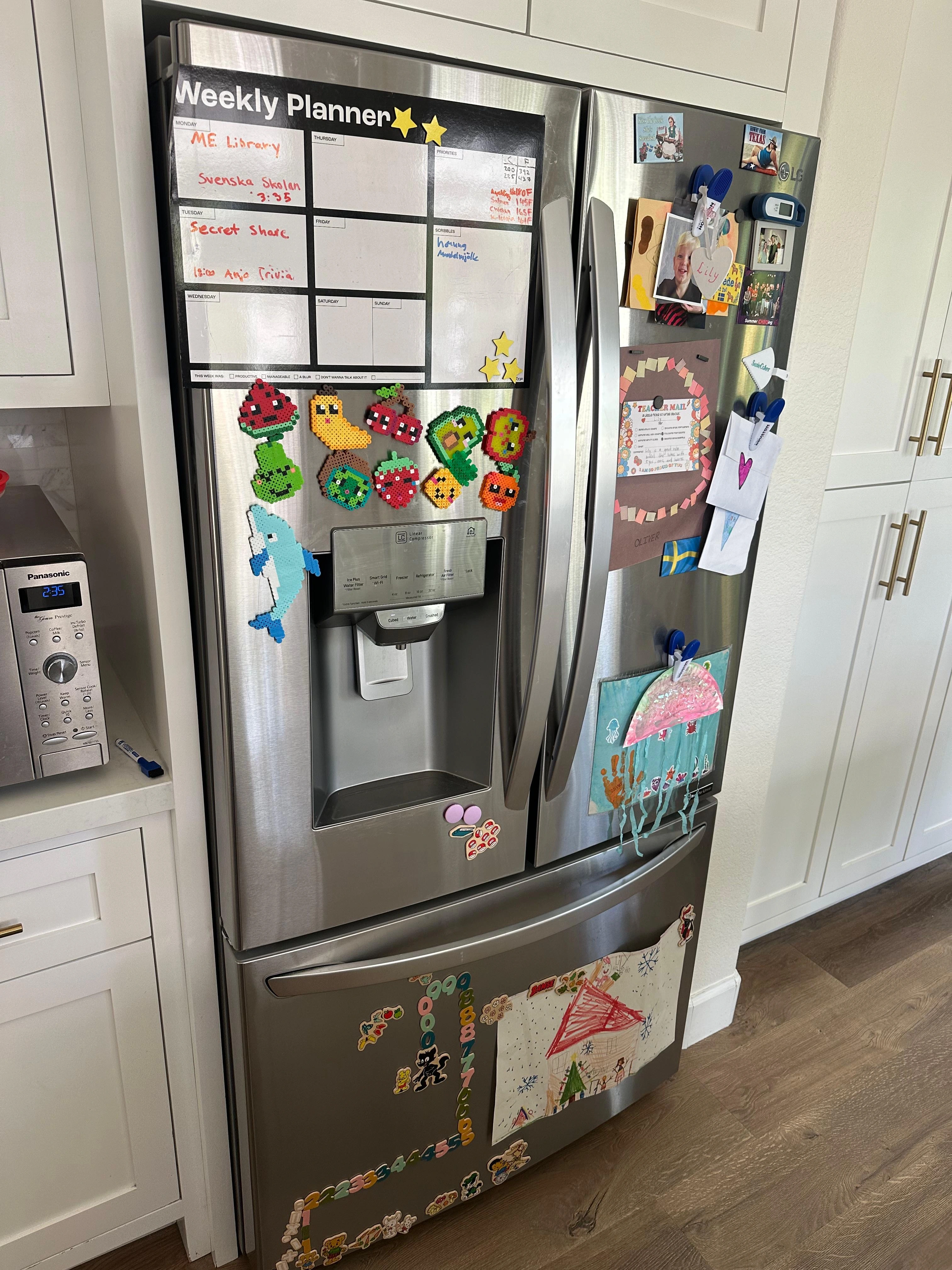
The water inlet valve is another common component to investigate. This valve opens electronically when the refrigerator needs water. When the ice maker sends a signal, the valve should open and allow water to enter the ice-making system. If the valve is defective, blocked, or unable to open properly, the ice maker mold may remain empty.A faulty inlet valve may also cause reduced water flow rather than a complete loss of water. You may notice that the ice maker produces only a small amount of ice or takes much longer than usual to fill. Electrical testing can determine whether the valve is receiving the correct signal and operating as intended.
The ice maker assembly itself can also fail. An LG ice maker contains several mechanical and electrical components that work together to fill, freeze, and release the ice. If the motor, internal switch, sensor, or control mechanism stops functioning, the ice maker may remain inactive even when the refrigerator has a normal water supply.Temperature is another important factor. The freezer must be cold enough for the ice maker to freeze water properly. If the freezer temperature is too high, the ice-making cycle may slow down or stop. Poor door sealing, blocked airflow, excessive frost, or cooling-system problems can all contribute to elevated freezer temperatures.
A frozen water line can create similar symptoms. If moisture inside the water supply line freezes, water cannot reach the ice maker. This can happen when temperatures are too low in a particular area of the freezer or when airflow is not distributed properly.
A clogged water filter, defective inlet valve, frozen line, or failed ice maker can produce similar symptoms, so replacing the first suspected part is not always the right approach. A technician can test the water pressure, inspect the filter and supply line, check the inlet valve, and evaluate the ice maker assembly.It is also important to consider whether the refrigerator is cooling properly overall. If both the ice maker and freezer are struggling to reach the correct temperature, the problem may extend beyond the ice-making system. In that situation, the evaporator fan, defrost system, sensors, or sealed cooling system may need to be inspected.
Homeowners can safely start with a few basic checks: confirm the ice maker is turned on, verify the freezer temperature, inspect the water supply connection, check the shut-off valve, and replace an old filter with a compatible one if necessary.If your LG refrigerator still does not make ice after these checks, professional appliance repair can identify the cause. A technician can determine whether the problem is related to the water inlet valve, ice maker assembly, water supply, frozen line, or another refrigerator component and recommend the appropriate repair.