
LG Refrigerator Makes a Loud Humming Noise — Possible Compressor or Condenser Fan Problems
An LG refrigerator can produce various sounds during normal operation, including low humming from the compressor and airflow from the fans. However, if the humming becomes unusually loud, constant, or noticeably different from the refrigerator’s normal operating sound, it may indicate a problem with the compressor, condenser fan, or another cooling component.
The compressor is one of the main sources of sound inside a refrigerator. It circulates refrigerant through the sealed system and normally produces a steady hum while operating. A mild humming sound is generally expected, particularly during a cooling cycle. A much louder or harsher noise can indicate that the compressor is working under excessive load or developing a mechanical problem.
One possible cause is a compressor that is struggling to maintain the required temperature. This can happen when the refrigerator is exposed to high room temperatures, the condenser cannot release heat effectively, or the sealed system is experiencing a restriction. The compressor may then run for extended periods and become noticeably louder.
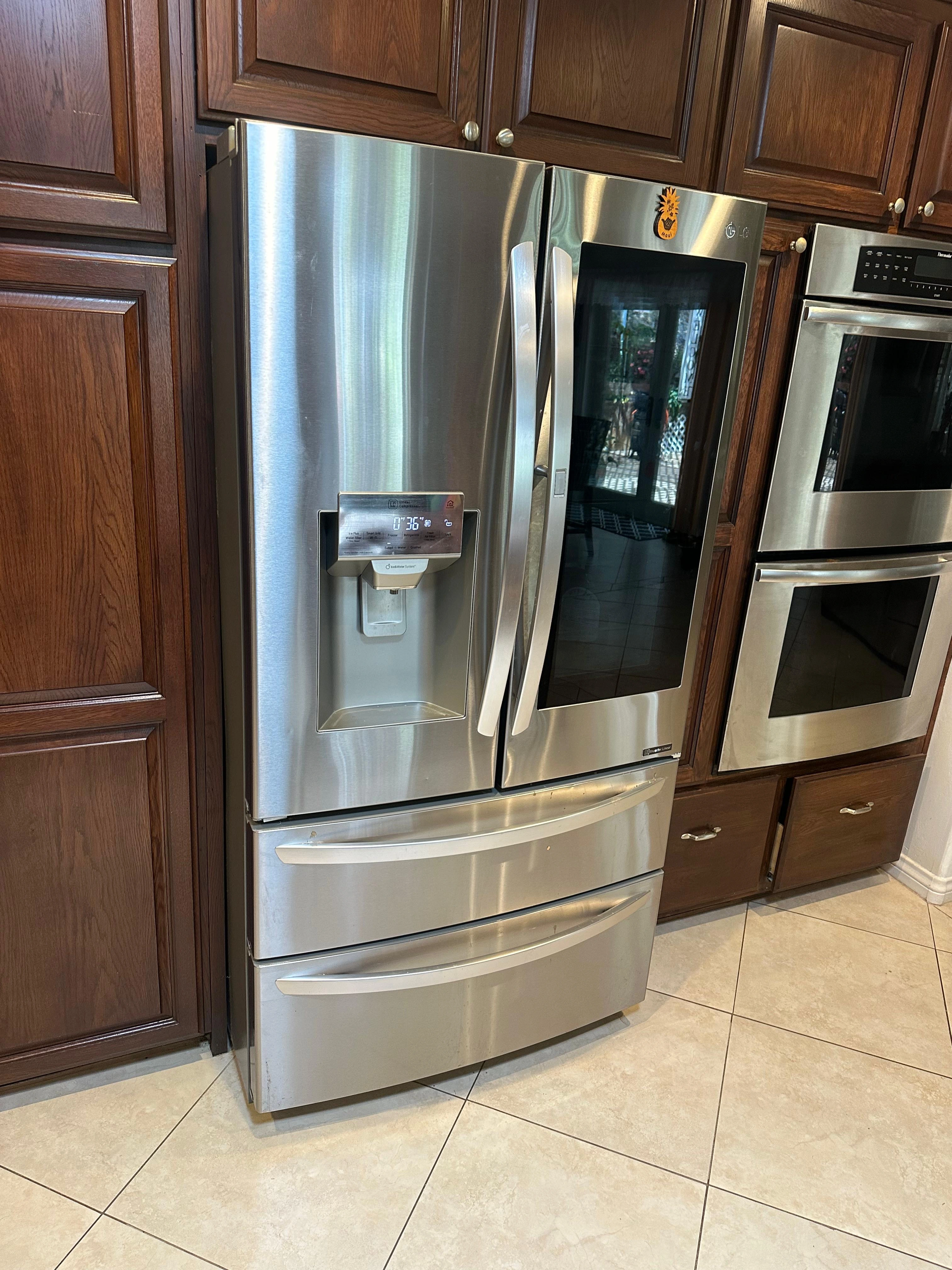
The condenser fan should also be inspected when an LG refrigerator develops a loud humming noise. This fan helps move air across the condenser and remove heat from the refrigeration system. If the fan motor is worn, its bearings can become noisy during operation. Dust, debris, or an object interfering with the fan blade can also create unusual sounds.A damaged fan blade may produce more than a simple hum. You could hear vibration, rattling, or a repetitive buzzing noise as the blade rotates. In some cases, the fan may start and stop intermittently, causing the refrigerator to make a noticeable change in sound during each cooling cycle.
The location of the noise can provide useful information. A sound coming from the lower rear section of the refrigerator may point toward the compressor or condenser fan. Noise from inside the freezer is more likely to involve the evaporator fan or airflow system. Because several components can operate at the same time, however, identifying the source by sound alone is not always reliable.The refrigerator's position can also contribute to excessive noise. If the appliance is not sitting level, vibration from the compressor or fan may transfer through the cabinet and surrounding surfaces. A refrigerator placed too close to a wall or cabinet can amplify normal operating sounds as well.
Dirty condenser components are another factor worth considering. When dust accumulates around the condenser and fan area, heat removal becomes less efficient. The cooling system may need to operate longer, and the compressor can become louder as it works harder to maintain the selected temperature.
Avoid attempting to repair the compressor or sealed refrigeration system yourself. These components require specialized tools and technical knowledge. Refrigerant-related repairs should be performed by a qualified appliance technician. A professional inspection can determine whether the sound is coming from the compressor, condenser fan, evaporator fan, or another component. The technician can also check operating temperatures, airflow, electrical connections, and the condition of the cooling system.
If your LG refrigerator suddenly starts making a loud humming noise, especially when the sound is accompanied by poor cooling, unusual vibration, or continuous operation, it is worth having the appliance inspected. Identifying a failing fan or compressor early can help prevent additional damage and restore normal refrigerator operation.