
LG Refrigerator Makes a Hissing Sound — Possible Refrigerant Flow or Defrost System Issues
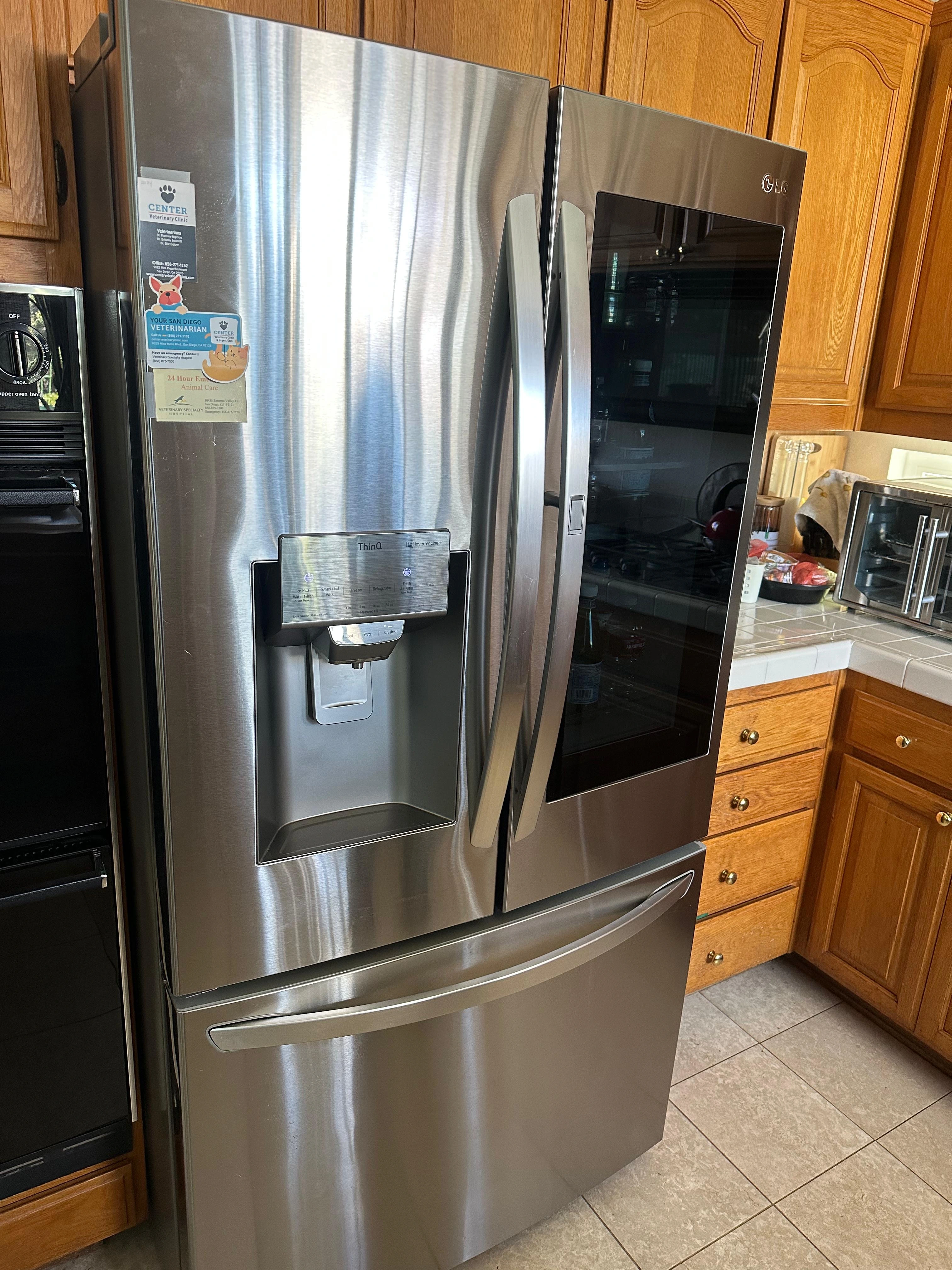
An LG refrigerator that makes a hissing sound can leave you wondering whether the appliance is operating normally or developing a mechanical problem. You may hear the noise coming from the back of the refrigerator, inside the freezer, or near the evaporator area. In some situations, hissing is part of normal refrigerant circulation or the automatic defrost cycle. However, a persistent or unusually loud sound accompanied by poor cooling, excessive frost, or water leaks may indicate a problem that requires professional inspection. Refrigerant circulation is one possible explanation for hissing sounds. Your LG refrigerator uses refrigerant to transfer heat from the compartments to the surrounding environment. As the refrigerant moves through the compressor, condenser, expansion device, and evaporator, its pressure and physical state change. These changes can produce soft hissing, bubbling, or gurgling noises during normal operation.
You may notice these sounds when the compressor starts, stops, or changes its operating speed. Modern refrigerators often adjust cooling output according to temperature demand, so refrigerant movement can vary throughout the day. If the refrigerator maintains the correct temperature and the noise is brief and relatively quiet, the sound may not indicate a fault. However, a new, unusually loud, or continuous hissing sound deserves attention, particularly when cooling performance declines. A refrigerant leak is one possible concern, although a sound alone cannot confirm that refrigerant is escaping. Other components can produce similar noises, and an accurate diagnosis requires examining the appliance's operating condition and refrigeration system.
If a refrigerant leak is suspected, avoid attempting to locate or repair it yourself. Refrigeration systems operate under pressure, and refrigerants require appropriate handling. A qualified technician can inspect the sealed system, identify the source of a suspected leak, and determine whether professional leak repair and refrigerant servicing are necessary. Another possible source of hissing is the automatic defrost system. Many LG refrigerators periodically activate a defrost heater to remove frost from the evaporator coils. As accumulated ice melts, water can drip onto heated surfaces or flow through the defrost drain. These processes may produce brief sizzling, crackling, or hissing sounds.
Such noises are often normal when they occur during a defrost cycle and disappear afterward. You may also hear water dripping into the drain pan beneath the refrigerator. These sounds generally do not require repair if the appliance continues cooling correctly and no other symptoms appear. Problems with the defrost system can produce different warning signs. A defective defrost heater, sensor, thermostat, or control component may prevent the evaporator from defrosting properly. Frost can then accumulate on the coils and interfere with airflow, causing the refrigerator or freezer to struggle to maintain the correct temperature.
If you notice heavy frost on the freezer's rear interior panel, recurring ice buildup, or declining cooling performance alongside unusual noises, the defrost system may need inspection. A technician can examine the evaporator area, test relevant components, and determine whether a failed part is preventing normal defrost operation. The water supply system can also create sounds that resemble hissing. Refrigerators equipped with water dispensers or ice makers may produce a brief noise when the water inlet valve opens to fill the ice maker or supply the dispenser. Water moving through narrow tubing can create a short rushing or hissing sound.
If the noise occurs only when dispensing water or producing ice, the water supply system may be involved. However, a damaged inlet valve, restricted water line, or inadequate water pressure can cause abnormal operation. Check that the accessible supply line is not visibly kinked and that the household water valve is open. If the noise persists or water flow becomes weak, arrange a professional
Professional diagnosis is particularly important when the refrigerator stops cooling effectively. A technician can inspect the sealed refrigeration system, evaluate the defrost components, check the water inlet valve, and assess the fan and airflow system. Identifying the source of the sound helps prevent unnecessary part replacements and ensures that any underlying fault is addressed correctly. If your LG refrigerator makes a hissing sound that is unusually loud, persistent, or accompanied by cooling problems, do not ignore the warning signs. Contact a professional appliance repair service to schedule an inspection. An experienced technician can identify whether the noise comes from normal refrigerant circulation, the defrost system, or a faulty component and recommend the appropriate repair to restore reliable refrigerator operation.