
LG Refrigerator Is Not Cooling — Possible Compressor or Evaporator Fan Failure
An LG refrigerator that is no longer cooling properly can quickly become a serious household problem. Food may begin to warm, the freezer can lose its ability to freeze items, and the appliance may run for long periods without reaching the selected temperature. Several components can cause a cooling failure, with the compressor and evaporator fan among the parts that should be inspected.
The compressor is responsible for circulating refrigerant through the sealed cooling system. When it operates correctly, it helps remove heat from inside the refrigerator and freezer. If the compressor fails to start, becomes mechanically damaged, or has an electrical problem, the refrigerator may stop producing enough cold air.
A compressor problem can sometimes be accompanied by unusual sounds. You may hear clicking as the appliance repeatedly attempts to start, followed by a brief humming sound. In other cases, the compressor may remain silent even though the refrigerator has power and the interior lights are working.
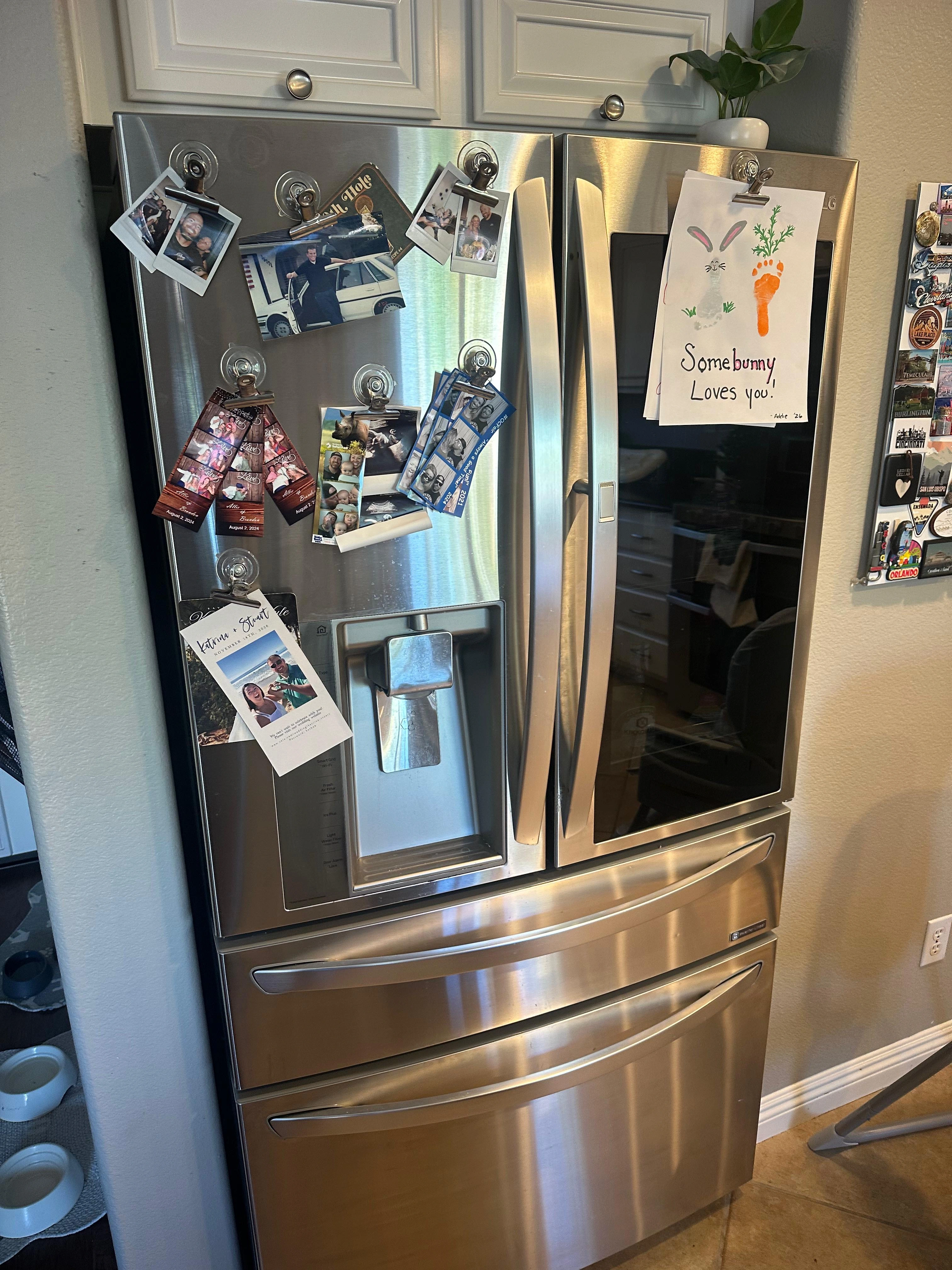
The evaporator fan is another important part of the cooling process. It moves cold air from the evaporator throughout the freezer and refrigerator compartments. If the fan motor stops working, cold air may not circulate correctly. The freezer may become unevenly cooled, while the refrigerator section becomes noticeably warmer. Ice buildup around the evaporator can also prevent the fan from operating properly. When a large amount of frost accumulates, it can interfere with the fan blades and restrict airflow. A defective defrost heater, thermostat, temperature sensor, or control board can be responsible for repeated frost accumulation. The location of the temperature problem can provide useful information. If both the freezer and refrigerator are warm, the compressor, sealed system, power supply, or control components may need to be examined. If the freezer remains cold while the refrigerator section becomes warm, an airflow issue involving the evaporator fan, air damper, or vents may be more likely.
It is also worth checking whether the refrigerator has enough space around it for proper ventilation. Excessive heat around the appliance can make cooling more difficult and increase compressor operating time. A refrigerator placed too close to a wall, oven, or other heat-producing appliance may have difficulty releasing heat efficiently. Dirty condenser components can contribute to poor cooling as well. Dust and debris around the condenser area can reduce heat transfer and make the cooling system work harder. In some situations, the compressor may continue running for extended periods while the refrigerator struggles to maintain the correct temperature. The door gaskets should not be overlooked. A damaged seal allows warm air and moisture to enter the refrigerator. This increases the cooling load and can eventually lead to frost accumulation.
Other components may contribute to a cooling failure, including the condenser fan, temperature sensors, control board, defrost system, and sealed-system components. Proper testing helps identify the actual source of the problem instead of replacing parts based only on symptoms. If your LG refrigerator is not cooling, check the simple conditions first, including the temperature setting, door seal, airflow, and visible frost buildup. If the problem continues, professional appliance service can determine whether the cause is a failed compressor, evaporator fan, defrost component, or another part of the cooling system. Timely repair can help protect food, reduce unnecessary energy consumption, and prevent a relatively small component failure from causing additional damage to the refrigerator.