
LG Refrigerator Stops Cooling After Defrosting — Possible Defrost Control or Main Control Board Problems
An LG refrigerator that stops cooling after defrosting can be frustrating, especially when the appliance appears to complete its normal cycle but the temperature inside begins to rise. The lights may still work, the display can remain active, and the refrigerator may seem to have power, yet food and drinks are no longer staying cold. In some cases, the freezer also begins to warm up, or the refrigerator takes much longer than usual to return to its normal operating temperature. This type of problem can be connected to the defrost control system, the main control board, a temperature sensor, the evaporator fan, or another component responsible for regulating the cooling cycle. Because several different faults can create similar symptoms, it is important to understand how the system works before replacing any parts. LG refrigerators use an automatic defrost system to prevent excessive frost from accumulating on the evaporator coils. During normal operation, moisture in the air can freeze on these coils, and over time the frost can restrict airflow and reduce cooling efficiency. To prevent this, the refrigerator periodically pauses normal cooling and activates a defrost heater. The heater melts the accumulated frost, and the resulting water drains away through the refrigerator's drainage system. Once the defrost cycle is complete, the appliance should return to normal cooling. If the refrigerator does not cool properly afterward, something may be preventing the system from restarting as expected.
One possible cause is a faulty defrost control system. This system determines when the refrigerator enters defrost mode and when it should return to normal cooling. Depending on the model, these functions may be managed by the main electronic control board or by a separate control component. If the control system malfunctions, the refrigerator may remain in defrost mode longer than necessary or fail to resume cooling at the correct time. The defrost heater may continue operating when it should already be off, or the system may react incorrectly to temperature information from the sensors. A common symptom is a refrigerator that works normally for some time, completes a defrost cycle, and then remains warm much longer than expected. A short rise in temperature during defrosting is not always a sign of a malfunction. Some temperature fluctuation is normal because the cooling system temporarily stops while frost is being removed from the evaporator. Afterward, the appliance needs time to return to the selected temperature. The problem becomes more serious when cooling does not resume at all or the temperature continues to rise for an extended period. If the freezer and refrigerator compartments remain warm long after defrosting has finished, the appliance should be checked for a control, sensor, fan, or compressor-related problem.
The main control board is another component that can cause this issue. It coordinates many refrigerator functions, including compressor operation, evaporator and condenser fan activity, temperature monitoring, and defrost timing. If the board develops an electrical fault, it may fail to send the correct signals to the cooling system after defrosting. The compressor may not restart, the fans may remain off, or the cooling cycle may become irregular. In some cases, the refrigerator may cool normally for a while and then stop again, making the problem difficult to identify without proper testing. Power interruptions, voltage fluctuations, damaged wiring, and normal component wear can all contribute to control board problems. Even when the symptoms seem to point to the main control board, replacing it immediately is not always the correct solution. A failed compressor, defective temperature sensor, loose electrical connection, damaged wiring, or faulty fan can produce similar behavior. The control board may simply be responding to incorrect information from another component. For this reason, a technician usually checks the relevant circuits and components before deciding that the board itself has failed. Accurate diagnosis can prevent unnecessary part replacement and reduce repair costs.
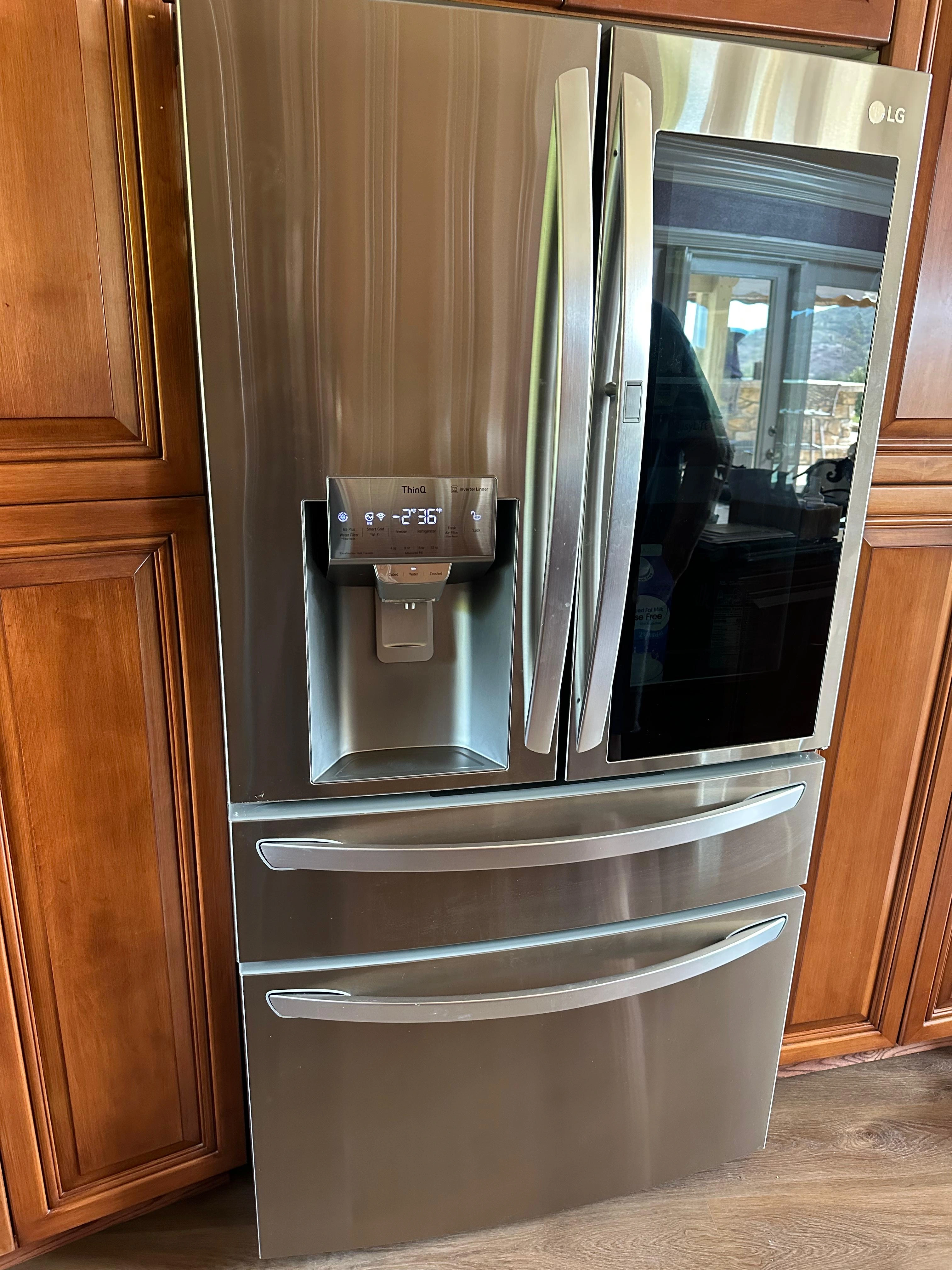
Temperature sensors are also important because they provide the control system with information about conditions inside the refrigerator and freezer. If one of these sensors sends inaccurate readings, the refrigerator may incorrectly determine when to start cooling or when to end the defrost cycle. The evaporator fan can create similar symptoms if it fails to restart after defrosting. This fan circulates cold air through the refrigerator and freezer compartments, and without proper airflow, the appliance may remain warm even if parts of the cooling system are still operating. Some models also use a defrost thermostat or another thermal protection component, and failure of these parts can interfere with proper temperature regulation. The compressor and its starting components can also be involved when an LG refrigerator stops cooling after defrosting. If the compressor cannot restart, the refrigerator will not be able to remove heat effectively from the compartments. Electrical problems, damaged starting components, or internal compressor failure may be responsible. Blocked airflow, frost buildup, obstructed vents, or drainage problems can also create symptoms that resemble an electronic control failure. Because many of these problems overlap, the exact cause should be confirmed before any major component is replaced.
Before scheduling a repair, there are a few basic checks you can perform safely. Start by verifying the temperature settings and making sure the refrigerator has not accidentally entered a special operating or demonstration mode. Check whether the doors close completely and whether food packages are blocking the interior air vents. Restricted airflow can make cooling problems more noticeable and may cause uneven temperatures. You can also listen for the compressor and fans. Unusual silence, repeated clicking, or a fan that starts and stops