
LG Refrigerator Temperature Display Is Flashing or the Alarm Keeps Beeping: Possible Temperature Sensor, Open Door, Fan Failure, or Cooling Problem
If the temperature display on your LG refrigerator is flashing or the alarm keeps sounding, the appliance is warning you that something is preventing it from maintaining normal operating conditions. While the issue may sometimes be as simple as a door left slightly open, it can also indicate a malfunction involving the temperature sensor, evaporator fan, cooling system, or other important components. Ignoring these warnings may allow food temperatures to rise, increase energy consumption, and lead to more expensive repairs if the underlying problem continues.
Modern LG refrigerators are equipped with electronic monitoring systems that constantly measure temperatures inside both the refrigerator and freezer compartments. Whenever the actual temperature rises above the programmed range or the appliance detects abnormal operating conditions, the control board activates a visual or audible alarm. Depending on the model, the temperature numbers may blink continuously, an alarm icon may appear on the display, or the refrigerator may emit repeated beeping until the issue is resolved.
One of the simplest explanations is that one of the refrigerator doors has not closed completely. A container, drawer, or food package may prevent the door from sealing properly, allowing warm air to enter continuously. As warm air enters the refrigerator, the internal temperature rises above the acceptable level, causing the display to flash and the alarm to activate. Once the door is fully closed and the temperature returns to normal, the warning usually disappears automatically.
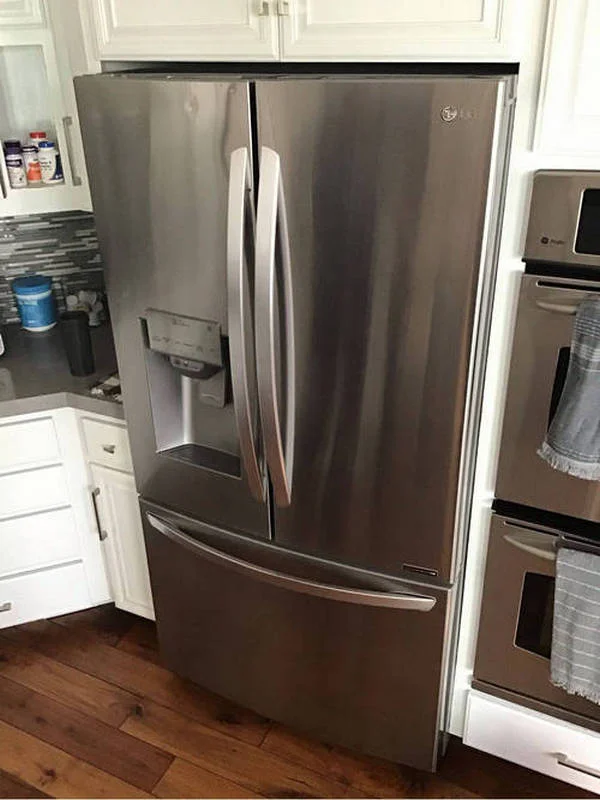
A damaged or worn door gasket can produce the same symptoms even when the door appears to be closed correctly. Over time, rubber seals lose flexibility, develop cracks, or become deformed. Small gaps around the door allow warm, humid air to enter the refrigerator, forcing the compressor to run longer while preventing the appliance from maintaining the desired temperature. Continuous temperature fluctuations eventually trigger the warning system and may also increase frost accumulation inside the cooling system.
A faulty temperature sensor is another common cause of flashing temperature displays. LG refrigerators use multiple sensors to monitor conditions throughout the appliance. These sensors send continuous information to the electronic control board, allowing it to regulate compressor operation, fan speed, and defrost cycles. If one of the sensors begins sending inaccurate readings or stops communicating with the control board, the refrigerator may incorrectly detect an over-temperature condition even if cooling performance appears normal. In other situations, an actual cooling problem develops because the control board no longer receives reliable temperature information.
Problems involving the evaporator fan can also activate temperature alarms. The fan circulates cold air from the evaporator throughout the refrigerator and freezer compartments. If the fan motor fails, the blades become blocked by ice, or electrical power to the fan is interrupted, cold air cannot circulate efficiently. As a result, one or both compartments begin warming even though the compressor continues operating. The control board detects the increasing temperature and activates the flashing display or audible alarm to alert the user.
In LG refrigerators equipped with the No Frost system, excessive frost accumulation around the evaporator may also interfere with airflow. A failed defrost heater, defective defrost sensor, or damaged thermal fuse can allow thick ice to build up around the evaporator coils. As airflow becomes restricted, cooling performance gradually declines. The refrigerator may initially seem to function normally, but after several days the temperature begins rising, causing the display to flash and the alarm to sound.
General cooling system problems should also be considered. A failing compressor, refrigerant leak, partially restricted capillary tube, or malfunctioning electronic control board can all reduce cooling efficiency. When the refrigerator cannot reach its target temperature within the expected amount of time, the control system interprets this as a fault and alerts the user. In many cases, the alarm is simply the first visible sign of a developing mechanical problem.
After a power outage, the temperature display may flash temporarily even if no component has failed. During the interruption, the temperature inside the refrigerator naturally rises. Once electricity is restored, the refrigerator begins cooling again, but it may continue displaying a flashing temperature until the proper operating temperature has been reached. If the warning disappears after several hours and cooling returns to normal, no repair is usually necessary.
Loading a large quantity of warm groceries into the refrigerator can also trigger a temporary alarm. Fresh food at room temperature introduces significant heat into the cabinet, causing internal temperatures to increase until the cooling system removes the excess heat. Under normal conditions, the display should stop flashing once the refrigerator stabilizes. However, if the warning continues for many hours, a technical problem should be investigated.
Some LG refrigerator models also display specific error codes together with the flashing temperature. These codes may indicate problems involving temperature sensors, fan motors, communication errors between electronic boards, or failures within the defrost system. While error codes provide useful information, they should not be considered a complete diagnosis because multiple faults can sometimes produce similar symptoms.
Attempting to repair these electronic systems without proper diagnostic equipment can be challenging. Temperature sensors require resistance testing at specific temperatures, fan motors must be checked for proper voltage and operation, and electronic control boards require specialized testing to determine whether they are sending the correct signals. Replacing parts without identifying the actual source of the problem often results in unnecessary expenses while leaving the original fault unresolved.
Routine maintenance can reduce the likelihood of temperature alarms. Avoid blocking interior air vents with food containers, inspect the door gasket regularly for damage, clean the condenser coils when necessary, and minimize the amount of time the refrigerator doors remain open. These simple maintenance practices help maintain stable temperatures and reduce unnecessary stress on the cooling system.
If the temperature display on your LG refrigerator continues flashing or the alarm keeps sounding despite properly closed doors, the appliance should be professionally inspected as soon as possible. A qualified appliance repair technician can test the temperature sensors, inspect the evaporator fan, evaluate the No Frost system, verify cooling performance, and diagnose any electronic control issues. Prompt repairs not only restore normal refrigerator operation but also help protect your food, improve energy efficiency, and prevent minor problems from developing into costly component failures.