
LG Refrigerator Water Dispenser Is Not Working — Possible Water Filter, Inlet Valve, or Frozen Water Line Issues
An LG refrigerator water dispenser not working is a common problem that can develop even when the refrigerator continues cooling normally and the ice maker still operates. Homeowners often discover the issue when pressing the dispenser lever results in no water, only a weak stream, or an unusual humming sound without any water being dispensed. While the problem may appear minor at first, it usually indicates a restriction somewhere within the refrigerator's water supply system. Common causes include a clogged water filter, a faulty water inlet valve, a frozen water line, or an electrical problem affecting the dispenser controls.
Modern LG refrigerators use a pressurized water delivery system that supplies filtered water to both the dispenser and, on many models, the automatic ice maker. Water enters the refrigerator through the household supply line, passes through the inlet valve and water filter, then travels through internal tubing before reaching the dispenser. If any component along this path becomes blocked, frozen, damaged, or electrically defective, water flow is interrupted and the dispenser stops working properly.
One of the most common causes is a clogged or expired water filter. Over time, the filter collects sediment, minerals, and other contaminants from the household water supply. As the filter becomes saturated, water pressure decreases and the dispenser may begin producing only a slow trickle or stop dispensing water altogether. LG recommends replacing the water filter regularly according to the manufacturer's maintenance schedule. Continuing to use an old filter not only affects water flow but may also reduce water quality and place additional strain on the water inlet valve.
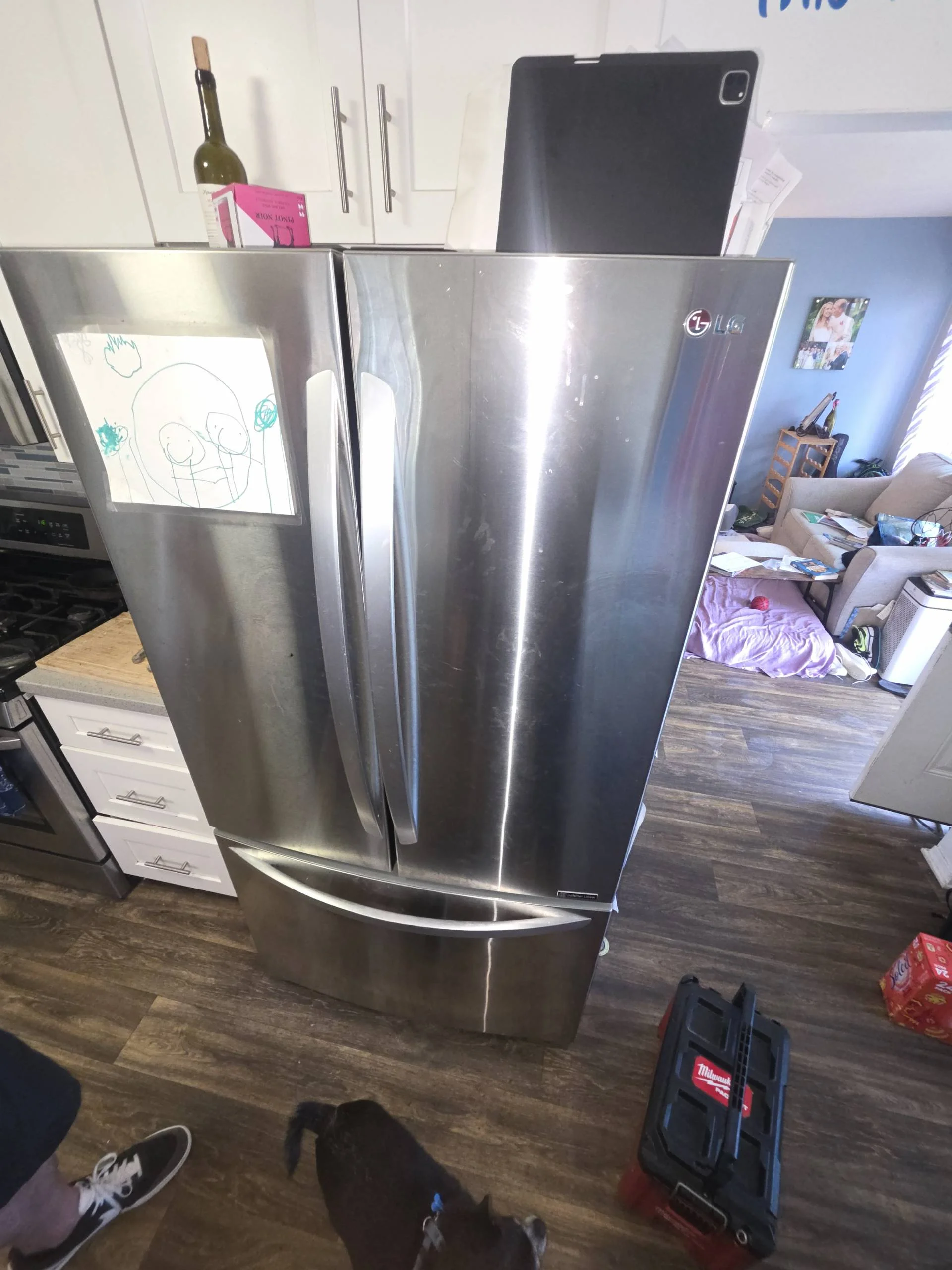
A faulty water inlet valve is another frequent reason for dispenser failure. The inlet valve is an electrically controlled component that opens whenever water is requested by the dispenser or ice maker. If the internal solenoid fails, mineral deposits prevent the valve from opening fully, or the valve loses electrical continuity, water cannot enter the refrigerator even though household water pressure remains normal. In some cases, the valve produces a humming sound when the dispenser lever is pressed, indicating that power is reaching the component but the valve itself is no longer functioning correctly.
A frozen water line inside the refrigerator is also a common issue, particularly in models where the water tubing passes through areas exposed to very low temperatures. If the refrigerator temperature is set too cold or airflow inside the fresh food compartment becomes uneven, the water line may freeze completely. Under these conditions, the dispenser appears to stop working even though the inlet valve and water supply remain fully operational. After the frozen section thaws, water flow may temporarily return until the underlying cooling problem is corrected.
Household water supply issues should also be considered during diagnosis. A partially closed shutoff valve, kinked water supply tubing, or low water pressure can significantly reduce the amount of water reaching the refrigerator. If the refrigerator was recently moved for cleaning or installation, the supply line may have become pinched behind the appliance, restricting water flow. Checking the external water connection is often one of the first steps in diagnosing dispenser problems.
Door wiring problems can produce similar symptoms. Because electrical wires supplying the dispenser pass through the refrigerator door hinge area, repeated opening and closing of the door over many years can eventually cause wiring fatigue or broken conductors. When this occurs, the dispenser may stop working intermittently, function only occasionally, or fail completely despite all other components remaining in good condition.
Many homeowners attempt to resolve the issue by replacing the water filter first. While this is a reasonable maintenance step, it does not solve every dispenser problem. If installing a new filter does not restore water flow, additional diagnosis is necessary to determine whether the inlet valve, frozen water line, electrical controls, or household water supply is responsible. Replacing parts without proper testing often results in unnecessary expenses and does not permanently correct the issue.
Several warning signs may indicate that professional service is needed. These include no water dispensing despite a new filter, a humming noise without water flow, slow water dispensing, water leaking around the filter housing, intermittent dispenser operation, frozen water lines that repeatedly refreeze, or an ice maker that also stops producing ice. In some cases, error codes related to the water system may also appear on the refrigerator display, helping narrow down the source of the malfunction.
Diagnosing water dispenser problems requires more than a simple visual inspection. Professional technicians test household water pressure, measure electrical voltage supplied to the inlet valve, verify switch operation, inspect wiring continuity, examine the filter housing, and determine whether internal water lines have frozen. Specialized tools allow technicians to identify the exact cause without replacing unnecessary components.
To help prevent future water dispenser problems, replace the water filter at the recommended intervals, ensure the refrigerator temperature is set according to LG specifications, avoid pushing the refrigerator tightly against the wall where the water line may become pinched, and periodically inspect the external supply line for leaks or damage. Keeping the refrigerator connected to a clean and stable water supply helps maintain reliable dispenser performance and reduces wear on internal components.
If your LG refrigerator water dispenser is not working, it is important not to ignore the problem. A clogged water filter, faulty inlet valve, frozen water line, damaged wiring, or dispenser control failure can all interrupt normal water flow. Professional diagnosis can accurately identify the defective component and restore reliable operation without unnecessary part replacement. Prompt repairs help ensure convenient access to clean drinking water while protecting your refrigerator's water system from additional damage.