
LG Refrigerator Repair: Most Common Refrigerator Noises and Their Causes
Most refrigerators produce some level of noise during normal operation. Compressors cycle on and off, fans circulate air, ice makers fill with water, and cooling systems expand and contract as temperatures change. However, when new sounds appear or existing noises become louder than usual, homeowners often wonder whether a serious problem is developing. Understanding the most common refrigerator noises and their potential causes can help identify warning signs early and determine when professional LG refrigerator repair may be necessary.
Modern LG refrigerators contain multiple moving and electronic components that work together continuously. Because these systems operate throughout the day and night, occasional sounds are perfectly normal. The key is recognizing when a noise represents normal operation versus a developing mechanical or electrical issue.
One of the most commonly reported sounds is a clicking noise. In many cases, occasional clicking is harmless and occurs when relays, control systems, or compressors cycle during normal operation. However, repeated clicking every few seconds may indicate a compressor startup problem, electrical issue, relay failure, or control board malfunction. If cooling performance also begins to decline, professional LG refrigerator repair diagnostics may be needed.
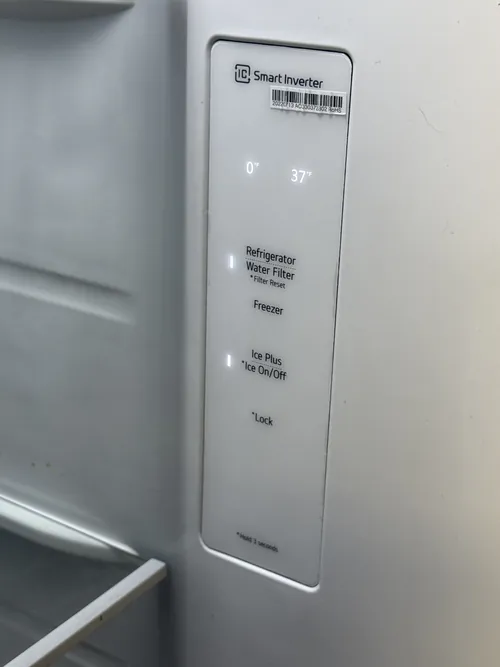
Buzzing sounds are another common concern. A low humming or buzzing noise often comes from the compressor during normal operation. However, unusually loud buzzing may indicate compressor strain, electrical problems, loose components, or issues affecting the cooling system. Homeowners should pay attention if buzzing becomes noticeably louder than usual or occurs more frequently.
Humming noises are generally associated with compressor operation or fan motors. Most refrigerators generate a gentle hum during cooling cycles. However, excessive humming accompanied by temperature fluctuations, longer running cycles, or reduced cooling performance may indicate developing compressor or airflow related issues. Professional diagnostics can help determine whether the noise is normal or requires attention.
Rattling sounds are frequently caused by loose components. Water lines, drain pans, rear access panels, and other refrigerator parts can vibrate slightly during operation. In some cases, moving the appliance slightly away from the wall or securing loose components may reduce the noise. If rattling becomes persistent or increases over time, it may be worthwhile to schedule professional LG refrigerator repair to identify the source.
Many homeowners report hearing grinding or scraping noises. These sounds often indicate problems involving fan motors or fan blades. Evaporator fans and condenser fans are responsible for maintaining airflow throughout the cooling system. If ice buildup, debris, worn bearings, or damaged fan blades interfere with operation, grinding sounds may occur.
Because airflow is critical for proper cooling, fan related noises should not be ignored.Popping and cracking sounds are often normal. Refrigerators experience temperature changes throughout the day as cooling cycles begin and end. Internal materials expand and contract as temperatures fluctuate, occasionally producing popping or cracking noises. These sounds are usually harmless and do not indicate a mechanical problem.
Gurgling or bubbling noises are also common. Refrigerant moving through the cooling system can create sounds that resemble bubbling water or flowing liquid. These noises are generally considered normal and occur as refrigerant circulates through various cooling components. Most homeowners notice them more frequently during quiet nighttime hours.
Squealing noises are less common but may indicate a developing fan motor issue. As fan bearings wear over time, high pitched squealing sounds can occur during operation. Addressing these symptoms early may help prevent complete fan failure and avoid additional cooling problems.
Ice maker related noises often cause concern as well. Water filling the ice tray, ice cubes dropping into the storage bin, and internal mechanisms cycling during ice production can all create noticeable sounds. These noises are typically normal. However, unusual grinding, repeated clicking, or inconsistent ice maker behavior may indicate water supply, sensor, or mechanical issues.
Another common complaint involves a refrigerator running louder than normal. Increased operating noise often accompanies cooling system inefficiencies. Dirty condenser coils, restricted airflow, failing fan motors, temperature sensor issues, or compressor related problems may cause the refrigerator to work harder and generate more sound than usual. Professional LG refrigerator repair helps identify the underlying cause before cooling performance is affected.
One important rule for homeowners is to pay attention to changes. A refrigerator that suddenly develops new sounds or experiences significant changes in operating noise should be evaluated more closely. Many refrigerator failures begin with subtle warning signs long before complete cooling loss occurs.
Professional LG refrigerator repair focuses on identifying the exact source of unusual noises while evaluating overall refrigerator performance. Whether the sound originates from a compressor, fan motor, ice maker, control system, or cooling component, accurate diagnostics help prevent unnecessary repairs and support long term appliance reliability.
Understanding the most common refrigerator noises allows homeowners to distinguish between normal operation and potential warning signs. By responding quickly to unusual sounds, homeowners can often prevent larger repairs, improve cooling performance, and extend the lifespan of their refrigerator.