
LG Refrigerator Repair: What Causes Water Leaks Inside a Refrigerator
Discovering water inside your refrigerator can be frustrating and concerning. Whether moisture is collecting beneath drawers, pooling on shelves, or appearing near the back wall of the refrigerator compartment, water leaks are a common issue that should never be ignored. While some leaks may seem minor at first, they can lead to food spoilage, unpleasant odors, mold growth, and even damage to refrigerator components if left unresolved. Understanding the most common causes of refrigerator leaks can help homeowners recognize problems early and determine when professional LG refrigerator repair may be needed.
Modern LG refrigerators use several systems that manage water during normal operation. Ice makers, water dispensers, defrost systems, drain lines, and cooling components all depend on proper water flow and drainage. When one of these systems develops a problem, water can accumulate in areas where it should not be present.
One of the most common causes of water leaks inside a refrigerator is a clogged defrost drain. During normal operation, frost that forms on cooling components melts during automatic defrost cycles. The resulting water flows through a drain system and exits safely beneath the refrigerator. Over time, food particles, debris, ice, or mineral buildup can block the drain opening. When this happens, water has nowhere to go and may begin collecting inside the refrigerator compartment or beneath storage drawers.
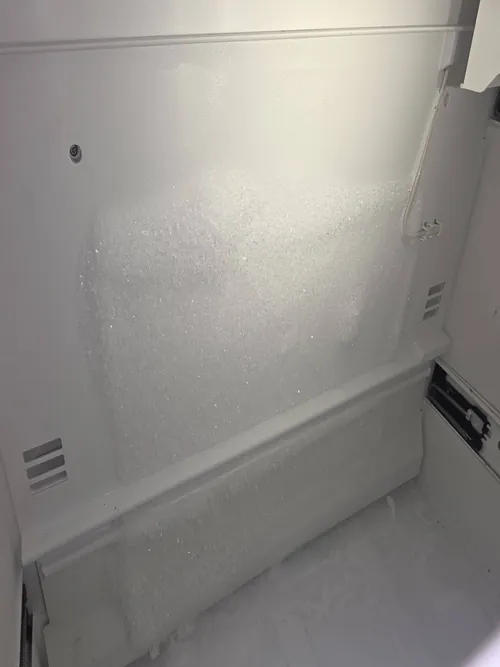
Frozen drain lines can create similar symptoms. If the drain system freezes, melted water cannot flow properly during defrost cycles. As water accumulates, homeowners may notice puddles inside the refrigerator or moisture collecting on shelves and interior surfaces. Professional LG refrigerator repair often includes inspecting drain systems to identify both blockages and freezing conditions that contribute to leaks.
Water supply line problems are another frequent cause of refrigerator leaks. Refrigerators equipped with ice makers and water dispensers rely on pressurized water lines that deliver water throughout the appliance. Loose connections, damaged tubing, cracked fittings, or aging supply lines can allow water to escape gradually. Because these leaks often develop slowly, they may go unnoticed until significant moisture becomes visible.
A faulty water inlet valve can also contribute to leaking problems. The inlet valve controls water flow into the refrigerator and ice maker system. If the valve becomes damaged or fails to close completely, excess water may enter the appliance and create leaks. In some cases, homeowners may notice both water leaks and unusual ice maker behavior occurring at the same time.
Ice maker related issues frequently cause moisture problems as well. Modern ice makers depend on proper timing, water pressure, temperature regulation, and electronic controls. If water overfills the ice tray, freezes improperly, or spills during the ice making process, leaks may develop inside the freezer or refrigerator compartment. Professional LG refrigerator repair helps identify whether the issue originates from the ice maker assembly, water supply system, or electronic controls.
Damaged door gaskets can indirectly contribute to water accumulation. Refrigerator door seals help prevent warm air from entering the appliance. When gaskets become worn, cracked, or loose, excess moisture can enter the refrigerator and condense on cold surfaces. Over time, this condensation may create puddles, frost buildup, or excessive moisture throughout the interior compartments.
Excessive frost accumulation is another condition that can lead to water leaks. Frost buildup often develops when airflow becomes restricted or defrost systems stop functioning properly. As frost melts during partial defrost cycles, excess water may overwhelm drainage systems and appear inside the refrigerator. In these situations, the visible leak is often a symptom of a larger cooling or defrost problem.
Improper refrigerator leveling can also affect drainage performance. Refrigerators are designed to allow water to flow toward designated drain channels. If the appliance is not level, water may collect in unintended areas and create the appearance of a leak. Although leveling issues are generally less serious than component failures, they can still contribute to ongoing moisture problems.
Many homeowners attempt to clean visible water without investigating the source. Unfortunately, recurring leaks often indicate underlying issues that require proper diagnosis. Simply removing the water may provide temporary relief while allowing the actual problem to worsen over time.
Professional LG refrigerator repair focuses on identifying the root cause of water leaks rather than addressing only the symptoms. Technicians inspect drain systems, water supply components, ice maker assemblies, door seals, cooling systems, and electronic controls to determine exactly why moisture is accumulating inside the appliance.
If you notice standing water, recurring moisture, unexplained puddles, or leaks inside your refrigerator, early diagnosis can help prevent additional damage and restore reliable operation. Understanding the common causes of refrigerator leaks allows homeowners to respond quickly and protect both their appliance and their kitchen from unnecessary water related damage.