
LG Refrigerator Repair: Why Your Refrigerator Is Freezing Food
Most homeowners expect a refrigerator to keep food cold and fresh, not frozen. When vegetables become solid, beverages develop ice crystals, or dairy products freeze unexpectedly, it can be both frustrating and confusing. While freezing temperatures inside the refrigerator compartment may seem like a minor inconvenience, they often indicate an underlying problem that should not be ignored. Understanding the most common causes of food freezing can help homeowners recognize warning signs early and determine when professional LG refrigerator repair may be necessary.
Modern LG refrigerators are designed to maintain precise temperature ranges that preserve food safely without freezing it. Advanced cooling systems, temperature sensors, electronic controls, evaporator fans, and airflow management components work together continuously to regulate conditions inside the appliance. When one of these systems begins to malfunction, temperature control may become unstable and cause food to freeze unexpectedly.
One of the most common causes of freezing food is an incorrect temperature setting. Many homeowners accidentally lower refrigerator temperatures while attempting to improve cooling performance. While this may seem like a simple solution, setting temperatures too low can create freezing conditions in portions of the refrigerator compartment. Before assuming a mechanical problem exists, it is always worth verifying that temperature settings remain within the recommended range.
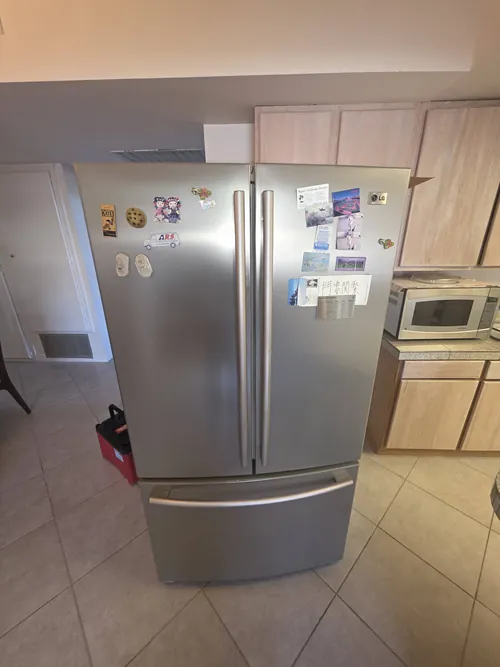
Faulty temperature sensors are another common cause of freezing issues. Modern refrigerators rely on sensors to monitor internal conditions and communicate with electronic control systems. If a sensor begins sending inaccurate information, the refrigerator may continue cooling longer than necessary. As temperatures drop below intended levels, food stored near airflow outlets or colder zones may begin to freeze. Professional LG refrigerator repair often includes testing sensors to verify proper operation.
Airflow problems can also contribute to uneven temperature distribution. Cold air generated within the cooling system must circulate evenly throughout the refrigerator compartment. If airflow becomes concentrated in one area due to vent positioning, blocked shelves, or damaged dampers, certain sections of the refrigerator may become significantly colder than others. Homeowners often notice that food placed near vents freezes while items elsewhere remain at normal temperatures.
A malfunctioning air damper can create similar symptoms. Air dampers regulate how much cold air moves from the freezer compartment into the refrigerator section. If a damper becomes stuck open or fails electronically, excessive cold air may enter the refrigerator compartment continuously. This often results in freezing food, temperature instability, and inconsistent cooling conditions.
Electronic control board problems can also affect temperature regulation. The control board serves as the central management system for many refrigerator functions, including compressor operation, fan control, temperature monitoring, and airflow management.
If the control system misinterprets sensor data or fails to regulate cooling cycles correctly, the refrigerator may cool more aggressively than intended. Professional LG refrigerator repair diagnostics help determine whether electronic controls are contributing to the problem. Evaporator fan issues occasionally affect refrigerator temperatures as well. While fan failures are more commonly associated with warm temperatures, certain airflow irregularities can create localized cold spots. Improper air circulation may cause some areas of the refrigerator to become excessively cold while other sections remain within normal temperature ranges.
Many homeowners experience freezing problems after loading large quantities of food into the refrigerator. Airflow patterns can change when shelves become overcrowded, especially if vents are blocked. Restricted circulation may force cold air into concentrated areas and contribute to freezing conditions. Proper food organization helps support balanced airflow and consistent temperature distribution.
Seasonal temperature changes can sometimes influence refrigerator performance. During colder months, kitchens located near exterior walls, garages, or unheated areas may expose refrigerators to unusual environmental conditions. While modern refrigerators are designed to compensate for these variations, extreme ambient temperatures can occasionally affect cooling behavior.
Food placement itself is another factor worth considering. Items stored directly in front of airflow vents are more likely to freeze than products placed elsewhere in the refrigerator. Sensitive foods such as lettuce, fruits, dairy products, and beverages often show the first signs of freezing when airflow becomes excessive.
One of the biggest mistakes homeowners make is ignoring freezing food because the refrigerator still appears to be cooling properly. In reality, temperature regulation problems often indicate developing issues involving sensors, airflow systems, electronic controls, or cooling components. Early diagnosis helps prevent larger refrigerator problems while protecting food quality and appliance performance.
Professional LG refrigerator repair focuses on identifying the exact reason temperatures have fallen below normal levels. Technicians evaluate sensors, airflow systems, dampers, control boards, fan motors, and cooling components to determine the root cause of the problem. Accurate diagnostics help restore proper temperature regulation and improve long term refrigerator reliability.
If your refrigerator is freezing food unexpectedly, addressing the issue early can help prevent food waste, improve cooling performance, and avoid additional appliance stress. Understanding the most common causes of freezing conditions allows homeowners to respond quickly and maintain the consistent temperatures needed for safe and effective food storage.